Theory versus reality: The manipulation of the masses through media and technology
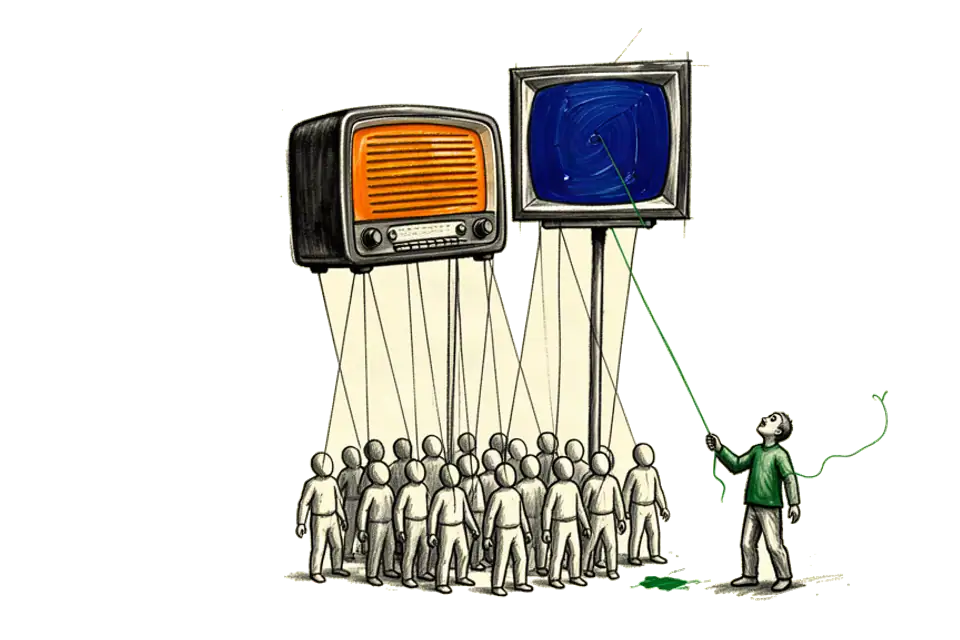
TL;DR: My 2005 school thesis argues that no political power holds without manipulating the masses through media. It starts with what I saw in China and runs through Machiavelli, Orwell, hackers, fake photos and Nazi radio. The answer it gives is critical thinking, media literacy and more transparency about who owns media.
The work was created in 2005 and 2006 by Emin Mahrt.
Here is a link to the original paper, written in 2005, as part of a thesis at school in combination of politics and information technology. https://drive.google.com/file/d/1PCTy6tUDWhWEgS2F0Lx9US6zSw0vrX-c/view?usp=sharing
The thesis in short
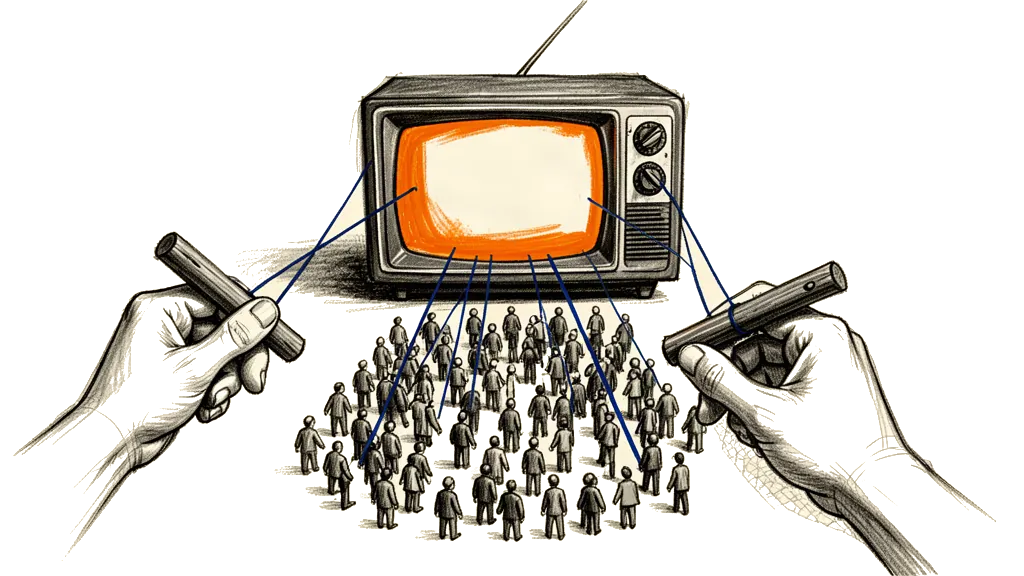
This thesis is about the manipulation of the masses through media and technology, and the argument is that it's everywhere in modern society. It goes from quiet propaganda to open censorship, and it uses historical and current examples, my own experiences, political theory and books to show how far it reaches.
The central argument is that no political entity can truly maintain power without manipulating the masses through media. This manipulation takes many forms, from the quiet framing of information to the open suppression of other voices. The thesis looks at historical and current cases, with examples from Germany under Nazi rule, China today, Saudi Arabia, and Russia under Putin.
What I saw in China

It starts with my own experiences in China in 2001. These experiences, and especially the stories about the Tiananmen Square massacre and the state censorship of media everywhere, made me really interested in who controls information and how.
I learned about the government's suppression of system critics and human rights activists, and I saw the big gap between the clean information given to tourists and the reality of political repression. Standing in Tiananmen Square, where thousands of peaceful protesters were brutally murdered just a decade earlier, showed me how well media censorship can erase uncomfortable truths from what people know.
I also tried to test the limits of email censorship by sending an email full of keywords about democracy and human rights. The email, as expected, never reached its destination, and that showed how much control the Chinese government has over the flow of information and how advanced the tools are that it uses for this.
The theory, from Machiavelli to Packard
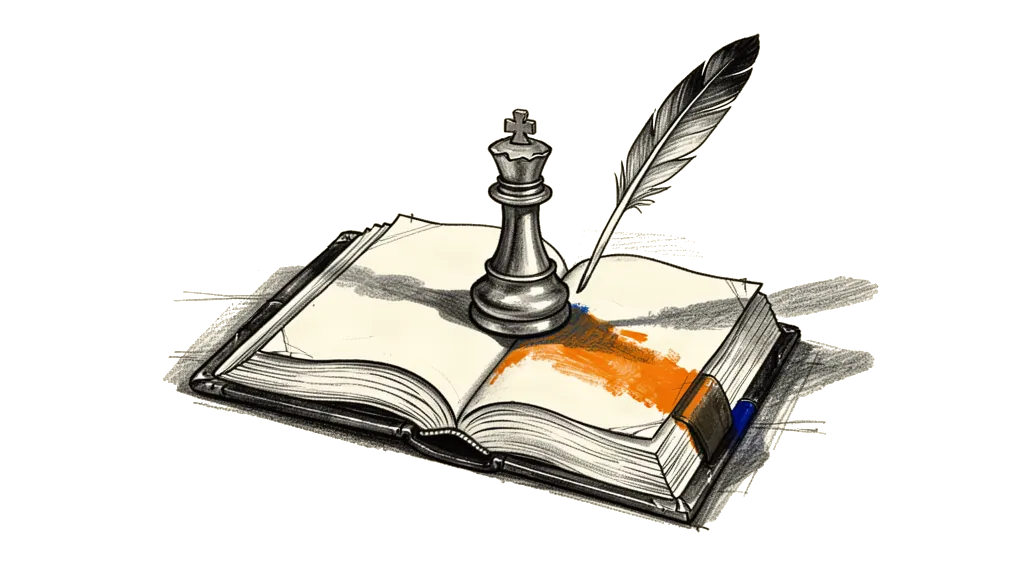
Then the thesis looks at the theory behind manipulation, with thinkers like Machiavelli and Montesquieu.
Machiavelli's “Il Principe,” written over 600 years ago, is still a very relevant guide to manipulating the masses for political gain. Machiavelli wants to control the press with licenses, censorship and even pro-government publications that shape public opinion. He argues that a ruler must “put a bridle” on journalism so it can't become a threat to his power.
The thesis compares Machiavelli's strategies with what regimes do today, like the compulsory journalistic licenses that governments give out worldwide and the big sums spent on political articles in Germany. It also points to Russia, where the government pushes neighboring states to build a pro-Russian press, and that shows Machiavelli's ideas still work.
Then it looks at Maurice Joly's “Power versus Reason,” a fictional dialogue between Machiavelli and Montesquieu about how a democratic system can turn into an absolutist one through quiet manipulation. Joly criticizes the use of vague legal clauses that restrict individual rights while the system still looks democratic from the outside, and he shows how sneaky that kind of manipulation is.
Manipulation through media also comes up again and again in literature, especially in science fiction novels that often describe future technologies, and how they can be used for control, long before they exist.
George Orwell's “1984” shows a totalitarian surveillance state where the “Thought Police” watch citizens through “tele screens” and manipulate information to keep the party's absolute control. The novel has parallels to real surveillance systems like the KGB and shows how privacy disappears in a society obsessed with security.
Neil Postman's “We Have Fun to Death” is about the influence of visual media, especially television, on how we understand the world. Postman argues that television puts entertainment over substance, so critical thinking goes down and people get easier to manipulate. He points to news programs that focus on sensational stories and ignore important issues like poverty and political oppression, and that's how media can distract people from what really matters.
Vance Packard's “The Hidden Persuaders” is about the manipulative techniques in advertising. Using psychological research, it shows how marketers use our desires and fears to influence what we buy. Packard shows that manipulative messages are everywhere, not only in politics but also in everyday consumer culture.
Surveillance and computer crime
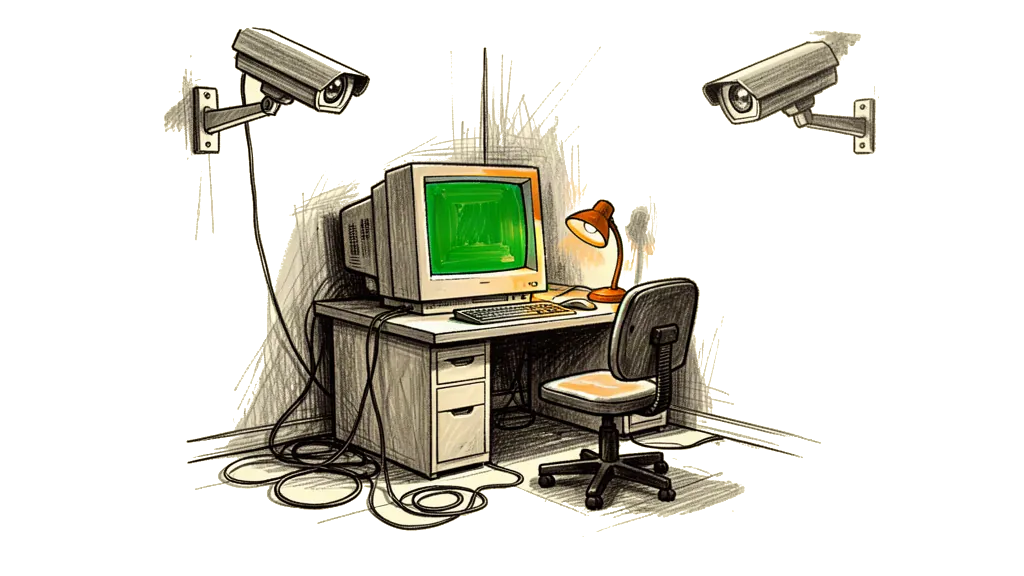
Next the thesis looks at modern media control, and at how information technology makes surveillance and manipulation easier.
I tell the case of Boris F., a brilliant computer specialist who died young under strange circumstances. Officially it was a suicide, but there is evidence that Boris F. was being monitored by several intelligence agencies, including the CIA, and that raises questions about why he died. Boris F. could get into systems that were supposed to be secure, like the Pentagon's computer network, and that shows how open modern information infrastructure is to skilled people, and how risky it can be to have that kind of knowledge.
Then the thesis looks at the rise of computer crime, with Kevin Mitnick and Karl Koch as examples. Mitnick, famous for his hacking, including access to the Pentagon's computer systems, showed that even networks that were supposed to be secure could be broken. Koch sold sensitive information to the KGB and showed that people can use their technical skills for espionage.
I look at the modern system of gathering and evaluating information, and at the huge amounts of data collected through online activity, loyalty programs and financial transactions. This data can be used to build detailed profiles of people, and then to target them with personalized advertising, political campaigns and even surveillance.
The thesis also looks at how far surveillance technology goes, with techniques like email monitoring, data mining, “wireless” networks and “Bluetooth” technology. These technologies are often sold as conveniences, but they give governments and corporations strong tools to track people, monitor their communications and even get to their personal data.
I argue that when everyone uses these technologies, and people more and more accept surveillance in the name of security, it gets very easy to manipulate and control them. So we need more awareness of these dangers and a critical look at the trade-off between security and privacy in a world where everything is connected.
Fake realities and historical regimes
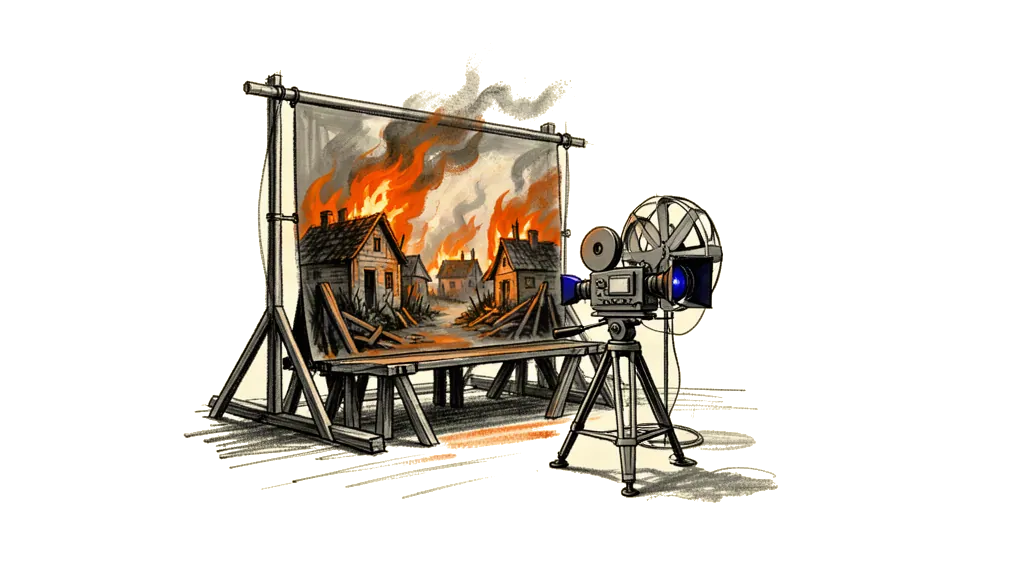
The thesis also shows how new media technology, especially digital manipulation, blurs the line between fiction and reality, so it gets harder and harder to tell what is true and what is made up.
I look at the film “Wag the dog,” where a political strategist invents a war to distract the public from a presidential scandal. The film shows the power of media to shape what people believe, and how you can create “creative realities” that serve political goals. The thesis compares this to real cases, like the Pentagon spreading fabricated footage during the Afghanistan War, so these techniques are not only in films.
It also looks at photo manipulation, like the British news channel that broadcast a staged photo of an alleged concentration camp in Bosnia. This case, and the famous manipulated photo of a Soviet soldier raising the Russian flag over the Reichstag, show how long altered images have been used to influence public opinion and serve political stories.
I also look at the manipulation of printed matter, and at how textbooks, especially in the Nazi era, were used to spread propaganda and shape the worldview of young people. The thesis argues that even harmless looking books like Karl May's novels, with their detailed descriptions of made-up places, can have a strong influence on readers and shape what they believe.
And I look at print media today, at the influence of political parties on newspapers, and at how biased reporting can shape public opinion. The thesis argues that the line between information and propaganda gets more and more blurred when money and political goals influence editorial decisions.
The thesis looks at historical examples of media manipulation too, with a focus on regimes that openly used censorship and propaganda to control the flow of information and stay in power.
Nazi Germany is a terrible example of a regime that used media very well to spread its ideology and control the masses. The thesis shows how important radio was in Nazi Germany, because it could reach millions of citizens and broadcast Hitler's speeches and propaganda. The government controlled the radio stations, suppressed other voices and pushed a story of national unity and racial superiority, and this worked very well to shape public opinion and secure Nazi power.
Then it looks at examples from today, in countries like China, Saudi Arabia and Russia under Putin, where censorship and state control of media are still normal.
China controls all forms of media, including the internet, and the government keeps working to hold the flow of information tight and to suppress other voices. The thesis looks at surveillance technology, internet filtering and the imprisonment of journalists and activists who question the government's story.
Saudi Arabia's “Internet Service Unit” (ISU) is an example of a government agency that filters online content and blocks websites it finds inappropriate. The ISU filters a lot of websites about religion, politics, sexuality and even Western culture, and that shows how the government controls access to information and shapes public opinion.
Russia under Putin is a case study of a government that controls media through censorship, intimidation and a pro-government story. The thesis looks at the case of the ABC television network, which was barred from working in Russia after it broadcast an interview with a Chechen rebel leader. This, and the government's heavy control over state-run media, shows how hard it is for independent journalists and how limited the freedom of the press is in Putin's Russia.
Numbers and the conclusion
The thesis also uses statistics to show how fast the internet grew and how virtual crimes went up, and how a world that gets more and more connected also gets more vulnerable.
I show data on the growth of internet use, website registrations and the number of internet users worldwide, and how fast the online world grew in the last decade. This growth, and the fact that people rely more and more on the internet for communication, commerce and information, brings a lot of chances and a lot of risks.
There are also statistics on virtual crimes, like unauthorized access to computer systems, data theft and espionage. I cite a study by the CSI/FBI which found a big increase in unauthorized access to computer systems between 1996 and 2000, so online infrastructure was getting more and more vulnerable to attackers.
It also shows how cybercrime gets more advanced, and how skilled people and even government agencies can use holes in computer systems to get sensitive information, disrupt critical infrastructure and even spy. I argue that technology moves faster than the security that should protect it, so individuals, organizations and governments always have a hard time protecting their data and systems.
At the end the thesis says we need critical awareness and media literacy in a time when manipulation is everywhere. I argue that you have to understand the techniques and strategies of the people who want to control information if you want to find your way through modern media.
The thesis says it's important to question sources, look for different points of view and learn the critical thinking you need to tell truth from fabrication. I ask for more transparency about who owns and funds media, and for stricter rules on data collection and surveillance, so the risks of manipulation and control get smaller.
It ends by repeating the core argument, that no political entity can truly maintain power without manipulating the masses through media. I argue that understanding how this manipulation works is necessary to protect democratic values and individual rights, and to build a more just and fair society.
So the thesis brings together personal experiences, political theory, books and statistical data to show how far manipulation through media and technology reaches.
Media manipulation is not new. It has always been part of how power works. But modern media technology and better manipulation techniques bring new problems and raise worries about the future of democracy and individual freedom.
In the end the thesis asks for a more critical and engaged public, one that has the knowledge and tools to find its way through media and resist the people who want to manipulate and control it. Only with informed action and a shared commitment to truth and transparency can we hope to push back against manipulation and protect the values of a free and open society.
Table of Contents
- Manipulation, Attempting a Definition
- 1.1 Description of the Topic
- My Own Experiences in China
- 2.1 Tiananmen Square
- 2.2 Jan Wong, Contemporary and Eyewitness Report
- 2.3 E-Mail Monitoring
- Manipulation as Political Theory
- 3.1 Maurice Joly, Power versus Reason
- 3.1.1 Excerpts from the Works of Machiavelli and Montesquieu
- 3.2 Related Literature
- 3.2.1 Neil Postman, We Have Fun to Death
- 3.2.2 George Orwell, 1984
- 3.2.3 Vance Packard, The Secret Seducers
- Control by Modern Media
- 4.1 Murder of the Computer Specialist Boris F.?
- 4.2 Kevin Mitnick and Karl Koch, Exemplary for Computer Crimes
- 4.3 The System of Information Evaluation
- 4.4 The Techniques of Information Gathering
- Creative Reality, Where are the Limits?
- 5.1 Wag the Dog, Cinematic Example
- 5.2 Photo Manipulation
- 5.3 Pictures That Lie, Exhibition on the Topic
- 5.4 Printed Matter
- Selected Historical Examples
- 6.1 Germany
- 6.2 China
- 6.3 Saudi Arabia
- 6.4 Russia
- Statistics
- 7.1 Growth of the Internet
- 7.2 Virtual Crimes
- 7.3 Technical Progress
- Epilogue
- 8.1 Own Opinion and Conclusions
- 8.2 Searching for Sources and Working Methods
- 8.3 List of Sources
Chapter 1: Manipulation, Attempting a Definition
1.1 Description of the Topic
This thesis is about the manipulation of the masses through media and technology. It was written as a special learning achievement at the Sophie-Scholl-Oberschule in Berlin, with a focus on political world studies and computer science. The work was created in 2005 and 2006.
The term “manipulation” is defined as an obscure, skillful procedure with which someone gains an advantage or something desired through fraudulent means. It generally refers to the conscious but covert influencing of a person or a large mass of people, even entire countries or the world.
Manipulation is often used to gain wealth, success or power. The conscious manipulation of people leads to victory in war and to political power. But how far the manipulation went and which means were used often comes out only after many years or decades, sometimes too late to do anything about it because the events are already “statute barred.”
How well manipulation works to control the masses depends on how vulnerable the people are and how strongly they are exposed to manipulative techniques. Complete protection from manipulation is impossible, but awareness and critical thinking can make its impact smaller.
This thesis wants to connect the theoretical possibilities of manipulation with real examples that may seem implausible or made up at first. It is mostly about the manipulation of the masses for political power, but it also looks at the role of information technology and manipulation techniques in everyday control and monitoring.
The thesis mixes fiction and reality, and it uses personal experiences, facts and examples from books to show the different forms and techniques of manipulation. It looks at historical and future methods of manipulation, at the strategies powerful forces use to keep their status quo, and at how future technologies could give them even more control.
By comparing theory with what really happened, the thesis wants to make people aware of how common manipulation is and get them to look more critically at methods that seem implausible.
Chapter 2: My Own Experiences in China
I would like to begin by sharing personal experiences from a trip to China, a distant and different world made possible through a program offered by the Sophie Scholl High School. I believe personal experiences leave a much deeper impression than information gleaned from secondary sources. The impact of information is strongly influenced by the source and the context in which it is received.
My visit to China during 7th grade (1999) ignited my interest in its politics, technology, and culture. This chapter will detail my experiences in China, focusing on the restrictions on freedom of the press and freedom of speech, as well as the everyday media censorship imposed by the Chinese government.
2.1 Tiananmen Square
My interest in languages that are less commonly learned led me to join the newly formed China AG at my school. The opportunity to visit Beijing after six months of participation was a major draw. The trip further deepened my interest in Chinese culture and politics. Our two-week itinerary included numerous guided tours, lectures, and visits to culturally significant sites like temples and the Great Wall.
These experiences showed us the reality of China's politics. We saw the strong military presence, felt the weight of state authority in black markets, and observed the hushed silence that fell over a bustling market during a police patrol.
A visit to the Mao mausoleum on Tiananmen Square (“Tiananmen Square”) was particularly impactful. We received information about the historical events and current circumstances surrounding the square, including the tragic suppression of system critics and human rights campaigners.
The event that truly captivated my attention was the 1989 Tiananmen Square massacre, where thousands of students demonstrating for more rights and against government corruption were killed by the Chinese military on June 4th. While most of us in the group had heard of the incident, standing in that very square, where over 3,000 peaceful demonstrators were murdered just a decade earlier, was deeply moving and disturbing.
2.2 Jan Wong, Contemporary and Eyewitness Report
Jan Wong, a journalist living in Beijing at the time of the Tiananmen Square protests, wrote a powerful firsthand account of the brutal suppression of the demonstrators. Her two children even took part in the protests. Wong's report tells the events in a scary way, with terrifying quotes from Mao like “Political power comes from the barrel of a gun,” and it shows how far the government went to control the flow of information.
One detail from her report that particularly struck me was how the government cut off all communication for journalists staying in a hotel near Tiananmen Square by severing the phone lines. Trapped and unable to contact their editors, a group of journalists, including Wong, asked the hotel kitchen for food after days of living on a few snacks while they documented what was happening. The chef first refused, overwhelmed by the carnage he had witnessed, but then gave in, saying, “You will tell the world what happened.”
This moment shows how important the media is to hold power accountable. Wong's report ends by estimating the death toll at over 3,000. The Chinese Red Cross first reported 2,600 civilian deaths, but quickly took the statement back under pressure from the government. To this day, the Chinese government has not released an official statement about the events of June 4th, 1989.
Tiananmen Square has since been declared a demonstration-free zone, and anyone causing “undesirable sensation” can be arrested without trial. Talks with locals during our trip showed us the ongoing suppression of human rights in China, with a constant military presence and strict censorship. It was clear that the Chinese government went to great lengths to hide its human rights abuses, so it was hard for the public to learn the truth.
2.3 E-mail Monitoring
One of the most disturbing parts of the Chinese government's control was the rumored monitoring of email traffic. This made me curious, and back in Berlin, I decided to test this theory with my Chinese host in Beijing.
We wrote an email packed with keywords about sensitive topics like democracy, human rights, and even sex, using terms connected to organizations like the FBI and CIA. As expected, the email never reached its destination. No error message came back, and we were left with the scary conclusion that all email traffic was being monitored.
This experiment was simple, but it showed that monitoring email on a large scale is possible, and it made me worry about other, more advanced surveillance techniques. If monitoring millions of emails is possible, what other capabilities might governments have?
This open question, together with my experiences in China, led me to dig deeper into the theories of manipulation and into how technology can make control and surveillance possible.
Chapter 3: Manipulation as Political Theory
This chapter looks at how political theory has been used to explain, predict and plan the manipulation of the masses. To get different points of view, I will use both historical and current thinkers, from state philosophers like Machiavelli to science fiction authors like George Orwell.
It is important to remember that every form of government involves some level of control over the masses and the suppression of other voices to keep power. This chapter looks at different theories of government, and especially at the parts that are about controlling and manipulating the people.
While much of my work is about the practical side of manipulation, I also want to show the thinkers who wrote about these ideas in theory and in fiction. They give a lot of insight into the motives and methods behind manipulation, which is often disguised as justified criticism or well-meant government processes.
3.1 Maurice Joly, Power Versus Reason
People often think that the manipulation of the masses is new and came with mass media. But there is evidence that people have discussed how to manipulate others for centuries.
Maurice Joly, an Italian politician, philosopher, historian, and poet, published a book in the mid-1800s titled “Dialogue in Hell Between Machiavelli and Montesquieu.” This fictional conversation between two famous thinkers looks at different forms of manipulation. Machiavelli, a key figure in modern political philosophy, is known for his treatise “Il Principe,” which describes how rulers can get power and keep it. Montesquieu, a French writer and state theorist, is known for his work on the separation of powers and for his part in liberal political theory.
Joly uses this fictional dialogue to show, in a surprisingly relevant way, how a system that looks democratic can slowly turn into a more authoritarian one. By comparing it with examples from today, I will show how far ahead of his time Joly was.
3.1.1 Excerpts from the Works of Machiavelli and Montesquieu
Machiavelli, in his work “Il Principe,” describes the strategies a prince uses to free Italy from foreign rule and secure his own power. The book has a surprisingly modern view on political manipulation and control. Machiavelli sees the threat of a free press and wants to control it in different ways. He argues against an outright ban on newspapers, because he fears the public reaction, and instead he suggests several steps at once.
First, he suggests that new publications need government approval, so he can stop critical voices from the start. Second, he wants a high tax on newspapers with fewer than a certain number of pages, so it gets financially hard for independent writers to publish. Third, he wants mandatory licenses for book printers and booksellers, so the government can take away the license of anyone who prints system-critical material. This way he can control the press without looking like he censors it directly.
Machiavelli also describes his plan for “journalistic work” by the government, with pro-government publications that answer any critical newspapers. He wants party newspapers for every political group, so all views seem to be represented, while he influences them at the same time through “party-owned” publications.
Many of Machiavelli's methods, especially the ones about press control, are very close to what modern regimes do. Journalistic licenses issued by the government are common in many countries, including China. In Germany, big sums are spent on shaping public opinion through political articles, just like Machiavelli wanted to control the story.
Russia's work to build a pro-Russian press in neighboring countries, especially in Chechnya, shows that Machiavelli's ideas about controlling the foreign press still work.
The control of the media, especially the press, has long been seen as a key factor in keeping political power. Machiavelli wrote this centuries ago, and it shows that these strategies don't get old.
Joly's fictional dialogue between Machiavelli and Montesquieu is a strong critique of these practices. It shows that even systems that look democratic can lose individual rights and freedoms step by step through quiet and sneaky means, and it reminds us to stay alert and critical in a world full of media.
3.2 Related Literature
Media manipulation comes up again and again in literature, especially in science fiction novels that look at what future technologies could do to society. These novels often build on real circumstances and fears, and their stories can be both smart and unsettling.
This section looks at three well known books about media manipulation: Neil Postman's “We Have Fun to Death,” George Orwell's “1984,” and Vance Packard's “The Secret Seducers.” Each book has its own view on how media can be used to control and influence people and societies. I present them one by one, but the connections between them will become clear along the way.
3.2.1 Neil Postman, We Have Fun to Death
“We Have Fun to Death” is a classic of media criticism about the influence of visual media, especially television, on how we understand the world. Neil Postman argues that television puts entertainment over substance, so critical thinking goes down and people get easier to manipulate.
Postman says television decides what we know, what we can do, and even how we think. Because it packages everything as entertainment, television quietly controls our emotions and experiences. One of the biggest problems with this is what it does to news and information.
When a topic is not entertaining enough, it quickly drops out of the news and out of people's minds. So important issues like poverty, war and political oppression in other countries get ignored, unless they are shown in a dramatic or sensational way.
Postman cites the famine in Niger (2005) as an example. The World Hunger Organization (WHO) had warned of the crisis a year earlier, but only when the famine got acute did public and political interest, pushed by media coverage, bring in money. But this help came too late for many who died because of the delay.
This sad example shows the power of the media to shape how we understand events and how we react to them. Postman argues that the focus on entertainment made the news worse, with night magazines and talk shows often more important than deep reporting on big global issues. He fears that society is shaped more and more by the media, and he points to American elections, where campaigns are about entertainment and show and not about real policy.
Postman believes that the image has overtaken the text in its power to carry information, and that it “steals” meaning and expression. You can see this in newspapers, where readers often look at the pictures to understand an article and don't read the text. Postman concludes that the constant flow of entertainment media is ending the age of the book and starting an age of television, where human judgment gets weaker in the end.
3.2.2 George Orwell, 1984
George Orwell's “1984,” published in 1949, is a dystopian novel about a totalitarian surveillance state. The novel is set in the year 1984 and is about surveillance, manipulation and control, and it has become a reference point whenever people talk about the dangers of state power without limits.
Orwell describes a state system where every part of life is watched and controlled by the ruling party. “Telescreens” are installed in all public places and private homes, so the “Thought Police” can watch every move of the citizens and even monitor their thoughts. Children are trained from a young age to become informants and report anything against the state, even by their own parents.
In the novel the past is rewritten all the time to fit the party's story, and history is manipulated to justify what the party does and to keep its grip on power. Orwell's fears about surveillance and control were not unfounded.
The totalitarian regimes of Nazi Germany and Stalinist Russia, with their secret police and surveillance networks everywhere, are terrible examples of how state power can be used to suppress dissent and control information. The parallels between Orwell's fictional dystopia and these real examples are clear.
The surveillance technologies in “1984” don't look that futuristic today, as workplaces and public spaces are watched more and more by cameras and other surveillance devices. People accept more and more surveillance in the name of security, and that makes me worry about losing privacy and about abuse by the people in power.
3.2.3 Vance Packard, The Secret Seducers
“The Secret Seducers” by Vance Packard, published in 1957, was a groundbreaking book about the manipulation of consumers through advertising. Packard looks at the psychological techniques marketers use to reach our hidden desires and fears, so they influence what we buy without us noticing.
Packard exposes the “hidden persuaders” who use psychology and other science to build advertising campaigns that play on our weak spots and fears. He argues that advertisers use our need to belong, our wish for love and recognition, and our insecurities to make their products seem irresistible.
The book looks at how ads create a feeling of urgency and exclusivity, at the power of suggestion and subliminal messages, and at how celebrity endorsements and testimonials change what consumers do. Packard shows that manipulation is not only political, it is part of our everyday lives through the constant flood of advertising.
From the carefully chosen colors and lighting in a department store to the smell coming out of a fast-food restaurant, every detail is made to influence how we see things and what we do. “The Secret Seducers” is still relevant and makes you think, because it reminds us that manipulative messages target us all the time, even in harmless looking places like consumer culture.
Chapter 4: Control by Modern Media
This chapter is about how modern media, especially the technologies that came after radio, are used to monitor and control people and societies. As someone with a strong interest in computer science, I will focus on the role of information technology in this.
This chapter is a bridge between the theory of manipulation and the modern techniques used for it. It wants to show what everyday technologies can do, which people often overlook, with real examples of how they can be used for good and for evil.
The first two sections are about computer crimes, with the cases of Boris F., Kevin Mitnick and Karl Koch, to show how individuals can use technology for their own gain or to cause a lot of damage. These cases are not full accounts of what these people did. They show the possibilities and dangers that come with modern information technology.
4.1 Murder of the Computer Specialist Boris F.?
In 1998, a young Berliner named Boris F., known in computer circles as “Tron,” was found dead. His death was officially ruled a suicide, but it raised many questions, especially among people who knew him as a brilliant and ambitious computer specialist. Boris F. got famous for cracking the encryption of the pay-TV channel Premiere, so viewers could watch the service for free. He was an expert in encryption, had a degree in computer science, and often showed his skills at computer fairs and on television.
The circumstances of his death were suspicious. Medical reports and theories that pointed to foul play, like the body being frozen for several days before it was found, were dismissed by the authorities, and the case was closed after a year without more investigation.
But the idea that Boris F. was murdered is still convincing, especially for people who believe his knowledge was a threat to powerful players. A police report that came out years later showed that Boris F. was watched by several intelligence agencies, including the CIA, and that gave the conspiracy theories even more fuel.
Bank records showed that Boris F. had received payments from Israeli companies that work on encryption technologies. He was also known to have received a large number of computer chips, probably for free, and nobody knows what they were for. People often guess that he was building a new technology to decrypt or encrypt communications, something governments and intelligence agencies would be very interested in.
The case of Boris F. is a hard reminder of the risks that come with advanced technical knowledge and of how far powerful forces might go to protect their interests. Whether his death was a suicide or a carefully planned murder, it shows how vulnerable people are when they have skills that challenge the established order.
4.2 Kevin Mitnick and Karl Koch, Exemplary for Computer Crimes
Kevin Mitnick got famous in the 1990s for his hacking, including breaking into the computer systems of big corporations and government agencies, most notably the Pentagon. He spent several years in prison for his crimes, but Mitnick always said he never wanted to cause harm or steal information. He wanted to show the weak spots of systems that were supposed to be secure.
Karl Koch, another well known name from the early days of hacking, got attention for espionage. He used his technical skills to steal sensitive information from Western companies and governments and sold it to the KGB. Koch showed that people can use their technical abilities for bad purposes, especially for money or for ideological reasons.
Mitnick and Koch were caught in the end, but their cases show how hard it is to secure information systems in a world where everything is connected. They exposed the weak spots of the security at the time and showed that skilled people can get around even the most advanced defenses.
Because computer crime became a real threat, there is a growing demand for security experts, and many of them are former hackers. Their job is to find weak spots, build countermeasures and protect critical infrastructure from attacks. The line between hacker and security expert is often blurred, because the same skills and knowledge can be used for good and for evil.
4.3 The System of Information Evaluation
The fast growth of information technology has created a huge and complex system for gathering, storing and analyzing data. This information, collected in many ways, can be used to build detailed profiles of people, with their habits, preferences and even their political beliefs.
Governments and corporations both want to gather and analyze this data. Governments use it to watch for threats, track the movements of people and measure public opinion. Corporations use it to target advertising, personalize marketing and get ahead of their competitors.
One example is library records. In the United States, libraries are required to store records of borrowed books, including the names of the borrowers. This information is officially collected to prevent theft and to make sure books come back, but it can also be used to track what people read and learn about their interests and beliefs.
In the same way, loyalty programs and online payment systems like PayPal let companies track what people buy, analyze how they spend and understand consumer behavior in detail.
This data gathering is often justified with security or convenience, but it raises worries about privacy and abuse. If you can collect and analyze huge amounts of data about people, you can manipulate and control them, because this information can be used to influence behavior, target specific groups and even suppress dissent.
4.4 The Techniques of Information Gathering
Modern technologies give us a lot of tools to gather information about people and what they do. They go from simple data mining and online tracking to more advanced methods like surveillance software and hacking.
One common technique is cookies, small text files stored on users' computers that track what they do in the browser. This information can be used to personalize ads, recommend products and even target people with specific political messages.
Another technique is the monitoring of email traffic. As my own experiment with email monitoring in China showed, it is possible to filter and analyze email content, find keywords and flag suspicious messages.
“Wireless” networking technologies created new chances for surveillance. Unsecured wireless networks are easy to break into, and hackers can read the data sent over the network, including personal information, passwords and even financial data.
Even harmless looking technologies like “Bluetooth” can be used for surveillance. Researchers have shown that Bluetooth can be used to get personal data from mobile devices, including text messages, contact lists and calendar entries.
These techniques get more advanced and easier to get all the time, and that makes me worry about losing privacy and about abuse by governments, corporations and even individuals who want to do harm.
The challenge for people and societies is to find a balance between the benefits of modern technology and the need to protect privacy and stop the misuse of personal information. That needs technical solutions, legal protection and more awareness among people about the risks of modern media technologies.
Chapter 5: Creative Reality, Where are the Limits?
This chapter is about the more and more advanced methods used to manipulate media and create “creative realities” that blur the line between fiction and truth. Hollywood films and political thrillers often show futuristic technologies that seem implausible, but many of these ideas come from real progress and may become real sooner than we think.
A good example is the “Star Trek” franchise, which showed viewers ideas like teleportation, time travel and faster-than-light speed decades before scientists took them seriously. Some of these technologies are still pure science fiction, but others, like handheld communication devices, voice-controlled computers and self-opening doors, are normal today.
The line between fiction and reality gets more and more blurred, because digital technology makes realistic special effects possible, lets you manipulate images and videos, and spreads information through many media channels. This chapter looks at concrete examples of how these technologies are used to manipulate what people see and to create artificial realities for specific goals.
5.1 Wag the Dog, Cinematic Example
The 1997 film “Wag the Dog” is a strong example of how media can be used to manufacture consent and manipulate public opinion. The film follows a political strategist who has to deal with a presidential scandal just weeks before an election, so he hires a Hollywood producer to invent a war that distracts the public.
They create a fictional war with carefully staged footage, emotional appeals and a catchy slogan, so they control the news cycle and turn public opinion in favor of the president.
The film is a satirical comedy, but it shows something disturbing: governments can manipulate media stories to serve their interests. This is not just a Hollywood fantasy. There are real examples of governments spreading fabricated or misleading information to justify military actions or influence public opinion.
One example is the Pentagon's release of footage that showed an airstrike on the Kabul airport in Afghanistan on October 8, 2001. A month later, the German public broadcaster WDR showed that the footage was actually of a bombing of a nearby aircraft graveyard, and satellite images from the year before confirmed it. This shows how easily manipulated images can be used to build a false story and fool the public.
5.2 Photo Manipulation
People have manipulated photographs for a long time, to make images better, to create artistic effects, and sadly also to deceive and mislead. With digital technology, photo manipulation got easier and more advanced, so it gets harder and harder to tell real images from altered ones.
A striking example is the case of Independent Television News (ITN), a British news channel, which broadcast an image in August 1992 that was supposed to show a concentration camp in Bosnia. The image showed Muslim prisoners who seemed to be locked behind barbed wire, it caused strong emotions and supported the story of Serbian atrocities.
But it turned out the image was staged. The ITN reporters had put themselves inside a barbed-wire fence, probably around a garden, and called over some locals to pose for the photo. That created the false impression of a concentration camp.
The magazine LM exposed this fabrication in 1996, and that led to a legal battle between the two media organizations. The truth about the image came out in the end, but the manipulated photo had already been shown everywhere and had done its job, it influenced public opinion and shaped how people saw the conflict in Bosnia.
Another famous example of photo manipulation is the iconic image of a Soviet soldier raising the Russian flag over the Reichstag in Berlin during World War II. The original photo showed the soldier wearing several wristwatches, probably looted from dead German soldiers.
So the Soviet troops wouldn't look like looters, the extra watches were removed from the photo before it was widely published. This small change shows that even a small manipulation can shape the story and give the public the picture you want.
5.3 Pictures That Lie, Exhibition on the Topic
The exhibition “Pictures That Lie,” at the German Historical Museum in 2003 and 2004, looked at the long history of manipulated images used to influence public opinion and serve political goals. It showed a lot of examples, from Bolshevik posters and Nazi propaganda to controversial images from the Iraq War.
One striking piece was a photo of an Iraqi man kneeling in front of an American soldier, and it looked like he was about to be executed. But the full image showed another soldier giving the Iraqi man a glass of water, a kind gesture that completely changed the story.
This simple comparison showed how much framing and perspective change the way we read images. The exhibition was a strong reminder that we need critical thinking and media literacy in a world full of manipulated images.
5.4 Printed Matter
Manipulation is not only visual. Printed materials, from textbooks to newspapers, have also been used to shape what people see and believe.
One of the worst examples is the textbooks of the Nazi era, which were used to spread propaganda and indoctrinate young people. These textbooks were full of twisted history, racial stereotypes and justifications for Nazi ideology, and they shaped the worldview of a whole generation.
Even harmless looking fiction, like Karl May's adventure novels, can be used to manipulate how people see things. May's detailed descriptions of made-up landscapes and cultures were based on little research, but they were so convincing that many readers believed they were real. Some people even went on real expeditions to look for the “Treasure of the Apaches” and other made-up places from his books.
Today, newspapers are often seen as the main source of information about current events. But newspapers can be manipulated too. Their content is shaped by editorial decisions, money and, in some cases, pressure from political parties.
In Germany, several major newspapers have ownership ties to political parties, and that can influence their coverage and their editorial line. So I question how objective these publications are, and readers may get biased or incomplete information.
Also, paying journalists to write articles that push specific goals is common. This information is often easy to find, but the publications themselves rarely admit it. Without that transparency it's hard for readers to judge how credible the information is and to make informed decisions about their political views and beliefs.
Chapter 6: Selected Historical Examples
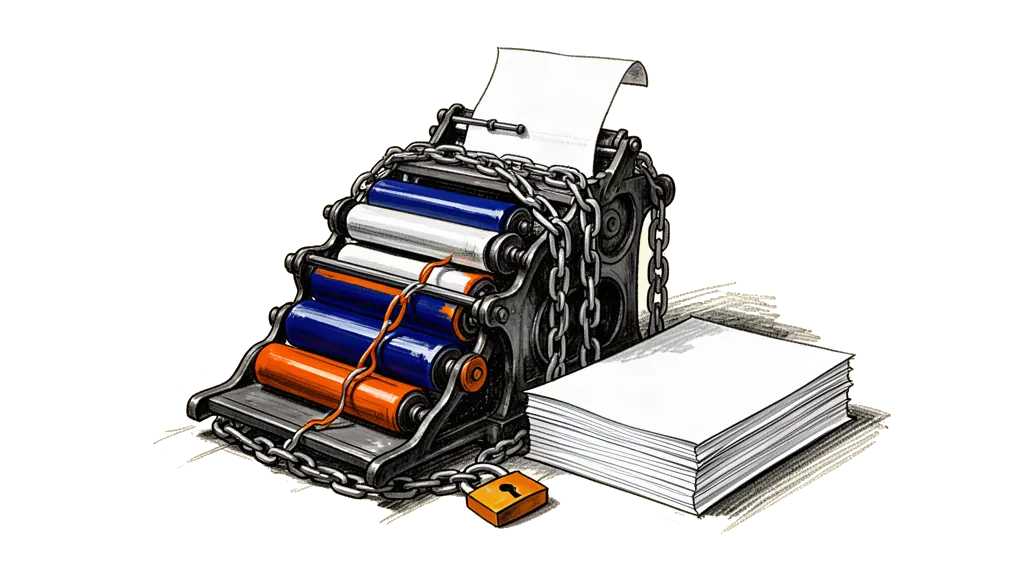
Through history, media manipulation has been used to secure power, control people and shape public opinion. This chapter looks at concrete historical examples, with a focus on open censorship and propaganda, especially in regimes where freedom of the press and freedom of speech were suppressed.
These examples are from different times and places, but they have the same thread, media is used to control the story, suppress dissent and keep the status quo. I picked countries that, because of their political power and economic stability, didn't feel much need to hide their censorship.
6.1 Germany
Germany under Nazi rule is a terrible example of how media can be turned into a weapon to push an ideology, spread hate and secure power. The Nazi regime saw that radio could reach millions of citizens at the same time, and it quickly made rules to control the airwaves.
Private radio stations were put under state control, and the programs were overseen by the Ministry of Propaganda, headed by Joseph Goebbels. Hitler's speeches were broadcast across the whole country, and propaganda messages were carefully made to push the Nazi ideology of racial superiority, national unity and territorial expansion.
Radio receivers got cheaper, so more people could buy them, and that made Nazi propaganda even stronger. By 1934, over five million radio receivers had been sold in Germany. Radios everywhere, plus government control over what was on them, made radio a strong tool to shape public opinion and get support for the Nazi regime.
One of the most famous examples was Goebbels's speech on February 18th, 1943, where he asked a big audience: “Do you want total war?” The excited answer and loud applause from the audience, broadcast live on radio, was used to show that the people supported the escalation of the war.
The Nazi regime used radio very well for its own propaganda, but it also saw the threat from foreign broadcasts, especially from the British Broadcasting Corporation (BBC). The BBC broadcast accurate news and anti-Nazi messages and was popular with German citizens who wanted something other than the government-controlled media. Listening to the BBC was strictly forbidden, but many Germans, including members of the resistance, risked hard punishment to listen.
Germany's experience in the Nazi era shows the dangers of media control without limits and the power of propaganda to shape public opinion and support oppressive regimes.
6.2 China
China, under the rule of the Communist Party, still keeps tight control over its media, with different forms of censorship and propaganda to keep political stability and suppress dissent. With over 2,000 newspapers, 3,000 radio and television stations, and over 100 million internet connections, Chinese media is huge and complex.
Control goes through the Xinhua News Agency, also known as “New China,” which is the official voice of the government. All media outlets must have a “Party Secretariat,” which makes sure they follow the party line, Marxist-Leninist ideology and Mao Zedong Thought.
Despite these strict controls, journalists who leave the official story or criticize the government get arrested and imprisoned. The internet is still quite new in China, but it is heavily censored and monitored. Internet cafes must install surveillance software that tracks what users do and blocks certain websites.
Online forums and discussion platforms are closely watched, and people who post other views or organize protests online are often arrested. The Chinese government's “Great Firewall” blocks a lot of foreign websites, including news outlets like CNN and NBC, and also the online encyclopedia Wikipedia. These restrictions limit access to information and other points of view, and they block the free flow of information and critical thought.
Internet use in China is still quite low, around 8% of the population, compared to 70% in Japan, but the government knows the internet can bring people together against it and challenge its authority. So it keeps investing a lot in censorship and surveillance technology to keep control over the online world.
6.3 Saudi Arabia
Saudi Arabia, an absolute monarchy ruled by the House of Saud, has a long history of media censorship and control. The government's strict reading of Islamic law shapes its censorship rules, which are meant to protect public morality and stop information that it sees as harmful or offensive to religion.
The “Internet Service Unit” (ISU), a government agency that monitors and filters internet content, is known for very strict censorship. A study by Harvard Law School documented how the ISU blocks websites on many topics, including religion, politics, medicine, education, humor and entertainment.
Over 2,000 websites were found to be blocked, including those about Western politics, pornography, homosexuality and abortion. Even websites like the Rolling Stone music magazine and the Anne Frank House Museum couldn't be opened.
The Saudi Arabian government justifies these restrictions with protecting public morality and Islamic values. But these rules also limit access to information, stop dissent and control the story inside the country.
6.4 Russia
Russia today has a constitution that guarantees freedom of the press, but the reality is much more complicated. Under President Vladimir Putin, the Russian government has taken more and more control over the media, with censorship, intimidation and a pro-government story, to stop dissent and keep political control.
Criticism of the government, especially about what it does in Chechnya, is heavily censored. Putin, known for his tough line against terrorism, has broad support in Russia, and his government has managed to sell its actions in Chechnya as a necessary fight against terrorism.
A well known example of Russia's crackdown on independent media happened in 2005, when the ABC television network aired an interview with Shamil Basayev, a Chechen rebel leader wanted by the Russian government. Russia called the interview “terrorism propaganda” and took away the accreditation of all ABC journalists, so they couldn't work in the country anymore.
This, together with the government's control over state-run media, shows how hard it is for independent journalists in Russia and how limited the freedom of the press is.
Putin's power in politics comes partly from how well he uses the media. His government has invested a lot in a pro-Putin story through state-run media channels, so the coverage stays friendly and critical voices stay quiet.
These examples show that freedom of the press and freedom of expression are still under pressure in many parts of the world. Governments keep using different tactics to control the flow of information, shape public opinion and keep their grip on power.
Chapter 7: Statistics
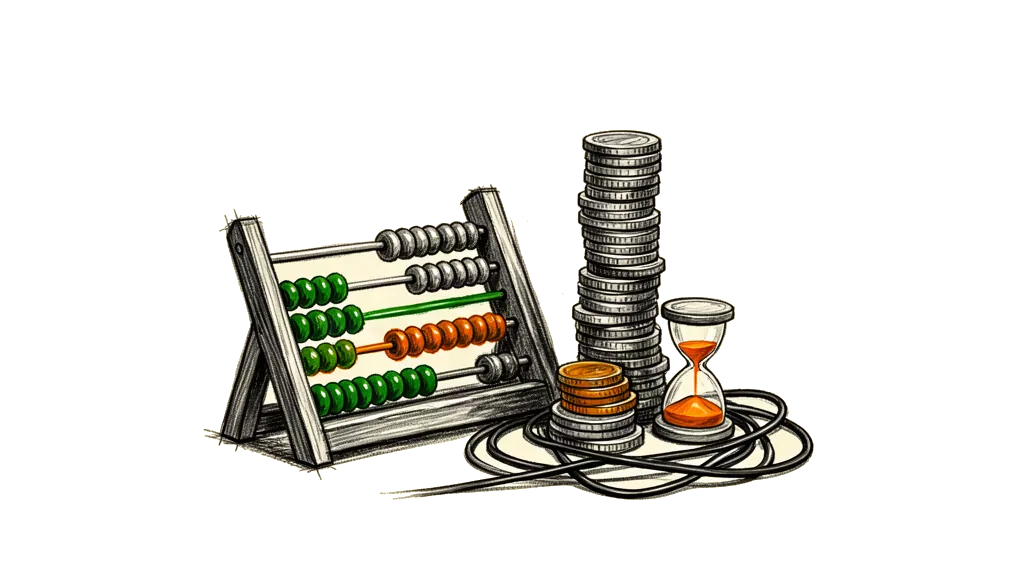
This chapter has statistical data about the topics of this thesis. Statistics help to understand complex things, especially when technology grows this fast and media keeps changing.
This chapter looks at four areas: the growth of the internet, the rise of virtual crimes, the impact of technical progress, and the role of advertising online. These numbers support the arguments from the earlier chapters and give a view in numbers on the issues.
7.1 Growth of the Internet
The internet, which became publicly available in 1994, has grown extremely fast in the last decade. It has become a main source of information, communication and commerce, and it connects billions of people worldwide.
The number of “hostnames,” which stand for single computers connected to the internet, went up a lot in the last decade, and that shows how fast the online world grew. The number of websites exploded too, with billions of websites now indexed by search engines like Google. And the number of internet users worldwide is now over one billion, most of them in developed countries. Germany, for example, has an internet penetration rate of over 50%, so more than half of all households have internet access.
The internet will keep growing fast, especially in developing countries where more people get access to technology. This will bring new chances and new problems, and it will change every part of society, including politics, economics and culture.
7.2 Virtual Crimes
The more the internet became part of our lives, the more virtual crimes came with it. These crimes go from unauthorized access to computer systems to data theft and espionage, and they are a growing threat to people, businesses and governments.
A study by the CSI/FBI found that the number of reported cases of unauthorized access to computer systems went up a lot between 1996 and 2000, so online infrastructure was getting more vulnerable. Cyberattacks also got more frequent and more advanced in the last years, against businesses, government agencies and even critical infrastructure. And data breaches, where sensitive information is stolen or exposed, became more common, they hit millions of people and cost businesses billions of dollars.
Virtual crime grows for several reasons, because digital information gets more valuable, because cybercriminals get better, and because online systems have weak spots by design. To deal with this we need several things at once, stronger security, more awareness among people and organizations, and more cooperation between governments and the private sector.
7.3 Technical Progress
Technical progress has played a big role in how media changed and how it can be used for manipulation. New technologies keep coming, from printing presses to radio, television and the internet, and each one created new ways to communicate and spread information, and sadly also to control.
It's hard to put the impact of technical progress into numbers, but some trends are clear. One is convergence. The lines between media get more and more blurred, and the internet now carries text, images, audio and video. That creates new chances for manipulation, because messages can be spread across many channels and aimed at specific audiences. Another is miniaturization. Devices get smaller and easier to carry, so people can get information and talk to each other anywhere, anytime. But that also makes surveillance and monitoring easier. And the last is automation. Many processes, like data collection, analysis and content creation, run more and more on their own, so fewer humans are needed and manipulation gets more efficient and can reach more people.
Technical progress cuts both ways. It brings huge benefits, but also new problems and risks. Societies have to adapt to these fast changes, with ethical guidelines, laws and education, so they can handle what technical progress brings and make sure technology is used responsibly and for the good of humanity.
Chapter 8: Epilogue

8.1 Own Opinion and Conclusions
My research for this thesis has made me sure that the manipulation of the masses through media is not a fringe theory but something real and everywhere. It is part of how power works in our world, and it changes what we see, believe and do in ways we often don't notice.
I accept that some media control is needed to keep order and security, but how much manipulation is used, especially by governments and big corporations, worries me a lot.
The historical examples in this thesis show what happens when media control has no limits, from the horrors of Nazi Germany to the ongoing suppression of dissent in countries like China and Saudi Arabia. Even in democracies with strong laws for freedom of the press, the lines between information, persuasion and manipulation are often blurred.
New media technologies, especially the internet, created new chances for both control and resistance. Governments and corporations use technology more and more to watch and manipulate citizens, but the internet also gives a place to other voices, citizen journalism and organized resistance.
In the end, the fight against manipulation is a fight for truth and transparency. It needs critical thinking, media literacy, and the will to question the official story and look for different points of view.
8.2 Searching for Sources and Working Methods
For my research for this thesis I used several ways at once, my own experiences, academic research and investigative journalism.
My interest in this topic started with my own experiences in China, where I saw with my own eyes the power of censorship and state control over media. This made me want to go deeper into the theory and history of media manipulation.
I started by reading books and articles by political theorists, philosophers and media critics, to understand the motives, techniques and history of manipulation. Then I looked at fiction about these themes, because literature can show hidden truths and challenge the usual way of thinking.
To get a current view, I researched recent events, with a focus on countries where media manipulation and censorship are documented. I used good news sources, academic journals and reports from human rights organizations to get reliable information and to check my findings.
The internet was a great resource, with a lot of information, including government documents, legal cases, academic research and investigative reports. I also took part in online forums and discussion groups to talk with other researchers and hear different views on the issues.
During the whole research I stayed critical, questioned sources, looked for confirmation and kept possible bias in mind. My goal was to give a balanced and complete analysis of a complex and often controversial topic.
8.3 List of Sources
Original German Source List (Translated)
- Brockhaus in One Volume. Publisher: FA Brockhaus, Publication Year: January 2005, ISBN: 3765316792
- DUDEN, German Universal Dictionary. Publisher: Dudenverlag, Publication Year: January 2003, ISBN: 3411055057
- Sophie Scholl School Homepage. Link: http://sophie-scholl-schule.info/scholl/schulprofil/china/index.htm
- Wikipedia Entry: “Tiananmen Square”. Link: http://de.wikipedia.org/wiki/Tiananmen
- ARTE Documentary: “Europe and China: Economic Relations, Human Rights.” Aired: 5.11.2004
- Buckhard Schröder. “Where was Boris F.?” Published in: Die Zeit, Year: 2000 (Issue 03)
- Thomas Stratmann. “Hackers: The Real Professionals Can’t be Caught.” Published in: Die Zeit, Issue: 40/1996
- Legal Texts: Link: http://thomas.loc.gov/cgi-bin/query/z?c107:HR3162.ENR
- Wikipedia Entry: “Patriot Act”. Link: http://de.wikipedia.org/wiki/Patriot_Act
- Dr. Sarah Spiekerman. “Happy Fooling the People.” Published in: Datenschleuder (CCC), Issue: 077, June 25, 2002
- Thomas Fischermann. “Big Brother on the Net.” Published in: Die Zeit, Issue: 50/2003
- Stefan Krempl. “Website Brings Back to Life the Death of a Hacker.” Published in: Telepolis Magazine, Issue: 13.1.2002
- Jan Wong. Red China Blues: My Long March from Mao to Now. (Original German title: Abschied von China). Publisher: Doubleday Canada, Publication Year: 1996, ISBN: 0385482329
- Xiao Qianq. “The Words You Never See in Chinese Cyberspace.” Published in: China Digital Times, August 30, 2004
- Interview with Jens Ohlig from the Chaos Computer Club (CCC). Broadcast on: Wissenschaft & Entdeckung, ARTE
- Jürgen von Rutenberg. “Good News for the President.” Published in: Die Zeit, Issue: 40/2004
- Thomas Deichmann. “ITN vs. LM: For Free Speech.” Published in: Novo-Magazin, Issue: 10.06.2001
- Political Joint Project: www.das-gibts-doch-nicht.de. Title: “Political Payments,” Year: 2001
- Niccolò Machiavelli. The Prince. (Original Italian title: Il Principe). Numerous translations and editions available.
- Jörg Wollert. The Bluetooth Handbook. (Original German title: Das Bluetooth Handbuch). Publisher: Franzis Verlag, Publication Year: 2001, ISBN: 3772353231
- Neil Postman. Amusing Ourselves to Death: Public Discourse in the Age of Show Business. Penguin Books, Publication Year: 1985, ISBN: 014303653X
- Vance Packard. The Hidden Persuaders. David McKay Company, Publication Year: 1957. Several editions available.
- Siegfried J. Schmidt and Guido Zurstiege. The Worlds of Media. (Original German title: Die Welten der Medien). Publisher: VS Verlag für Sozialwissenschaften, Publication Year: 1996, ISBN: 3531128413
- Citizen Change Website (for “Vote or Die” campaign). Link: http://www.citizenchange.com
- Dr. Wolfgang Näser. “Media and Literature.” Published by: ISK, University of Marburg, Year: 1993
- George Orwell. Nineteen Eighty-Four. Secker & Warburg, Publication Year: 1949. Numerous editions available.
- Kurt Sagatz and Corinna Visser. “Surfers in Court” & “Until Termination.” Published in: Der Tagesspiegel, Issue: 07.07.2005
- Maurice Joly. Dialogue in Hell Between Machiavelli and Montesquieu. (Original French title: Dialogue aux enfers entre Machiavel et Montesquieu). Several translations and editions available.
- WDR Television Program “Quarks & Co.” Episode: “The Physics of Star Trek.” Aired: 01.03.2005
- Wikipedia Entry: “Star Trek and Physics”. Link: http://de.wikipedia.org/wiki/Star_Trek_und_Physik
- MDR Reportage. Title: “Information Service Internet.” Aired: 23.04.2005
- Richard Power. Tangled Web: Tales of Digital Crime from the Shadows of Cyberspace. (Original German title: Attacken im Web, Schattenseiten des Cyberspace). Que Verlag, Publication Year: 2000, ISBN: 0785813954.
- dpa (German Press Agency). “The Media Power of the SPD.” Published in: Die Welt, Issue: 13.03.2000
- dpa. Published in: Wirtschaftswoche, Issue: 24.04.2000
- Katie Hafner and Matthew Lyon. Where Wizards Stay Up Late: The Origins of the Internet. Simon & Schuster, Publication Year: 1996, ISBN: 0684812010
- Netcraft. “Web Server Survey.” August 2005. Link: http://news.netcraft.com/
- Nua Internet Surveys. “Global Online Populations.” July 7, 2005. Link: http://www.nua.ie
- Annette Grossbongardt and Holger Stark. “Operation Horse Race.” Published in: Der Spiegel, Issue: 24/2005
- Conversation with George Thelitz, student at the Sophie Scholl Oberschule.
- Wikipedia Entry: “China#Media”. Link: http://de.wikipedia.org/wiki/China#Medien
- Weiqui Fang. The Internet and China. (Original German title: Das Internet und China). Publisher: Heise, Publication Year: 2004, ISBN: 3936931208
- Information on Political Education, “Mass Media”. Title: “How to Learn to Differentiate Between Fiction and Reality”. Published in: Issue 260/B6897F
- Jonathan Zittrain and Benjamin Edelman. “Documentation of Internet Filtering in Saudi Arabia.” Berkman Center for Internet & Society, Harvard University, December 2002.
- Ruth Dickhoven. “Russia Outraged Over Basayev Interview.” Broadcast on: ARD Radio Studio Moscow, July 29, 2005.
- Editorial Team of Online News. “The Microsoft Empire.” Published in: Der Standard, August 12, 2002.
- Hanni Chill and Hermann Meyn. “The Journalistic Profession.” Published in: bpb, “Mass Media”, Issue: 260/B6897F
- Wikipedia Entry: “Militant Democracy”. Link: http://de.wikipedia.org/wiki/Streitbare_Demokratie
- Heike Faller. “David vs. Google.” Published in: Die Zeit, Issue: 41/2005.
- Matthew Gray. “Web Growth Summary.” Massachusetts Institute of Technology. Link: http://www.mit.edu
- Bernd Zimmermann. Internet + WWW Course Statistics: Internet Systems Consortium. Link: http://www.isc.org
- Wikipedia Entry: “9/11”. Link: http://de.wikipedia.org/wiki/9/11
- Martin Benninghoff. “Attack on the Mobile Phone.” Published in: Der Tagesspiegel, Issue: 08.03.2005
- Jörg Schieb. “Can the Military Shut Down the Internet?” Published in: WDR Computer, Issue: 23.03.2003
- Jo Angerer and Konrad Ege. “Afghanistan: US Military Propaganda.” Broadcast on: WDR Television, Issue: 08.11.2001
- Florian Rötzer. “The Manipulated Picture on the Front Page.” Published in: Telepolis Magazine, Issue: 03.04.2003
Additional English-Language Sources
This list is not complete, but it's a starting point for more research on the topics of the thesis.
General works on media manipulation and propaganda
- Herman, Edward S., and Noam Chomsky. Manufacturing Consent: The Political Economy of the Mass Media. Pantheon Books, 2002. This classic work examines how the media serve as a propaganda system that manufactures consent for elite interests.
- Rampton, Sheldon, and John Stauber. Trust Us, We’re Experts: How Industry Manipulates Science and Gambles with Your Future. Jeremy P. Tarcher/Putnam, 2001. This book explores how corporations manipulate public perception through the use of public relations firms, think tanks, and scientific research.
- Stauber, John, and Sheldon Rampton. Toxic Sludge Is Good for You: Lies, Damn Lies, and the Public Relations Industry. Common Courage Press, 1995. This book exposes the deceptive practices of the public relations industry and its role in shaping public opinion.
Censorship in China
- Reporters Without Borders: https://rsf.org/en/china
- Freedom House: https://freedomhouse.org/country/china/freedom-world/2023
Internet censorship in Saudi Arabia
- OpenNet Initiative: https://opennet.net/
Media control in Russia
- Committee to Protect Journalists: https://cpj.org/europe/russia/
Tiananmen Square massacre
- The Tiananmen Papers: The Chinese Leadership’s Decision to Use Force Against Their Own People, In Their Own Words. Compiled by Zhang Liang; edited by Andrew J. Nathan and Perry Link. PublicAffairs, 2001.
- Human Rights Watch: https://www.hrw.org/topic/china/tiananmen-massacre
Photo manipulation
- Photo Fakery: The History and Techniques of Photographic Deception and Manipulation. Dino A. Brugioni. Brassey’s, 1999.
The growth of the internet and cybercrime
- Internet World Stats: https://www.internetworldstats.com/
- Statista: https://www.statista.com/
- Cybersecurity & Infrastructure Security Agency (CISA): https://www.cisa.gov/