Neurobiological Theories of Consciousness: A Practical Map

TL;DR: Neurobiology asks what the brain is doing when experience shows up. It's a toolbox of overlapping proposals: global broadcasting, recurrent loops, dendrites and brain dynamics. No model explains everything yet, and progress comes from combining insights. It is the strongest empirical path we have, but the felt side of experience is still open.
The neurobiological approach asks a simple question, and a lot hangs on it. If consciousness happens in nature, what exactly is the brain doing when experience shows up?
This column isn't one single theory. It's a toolbox of proposals that overlap, global broadcasting, recurrent loops, dendritic integration, predictive control and coordination across big networks.
There is a helpful way to read it, in three steps. One, every thinker and every model tries to solve one specific part of the puzzle.
Two, no model explains everything yet. And three, the most progress comes from combining insights, not from picking a cult favorite.
Searle and Block
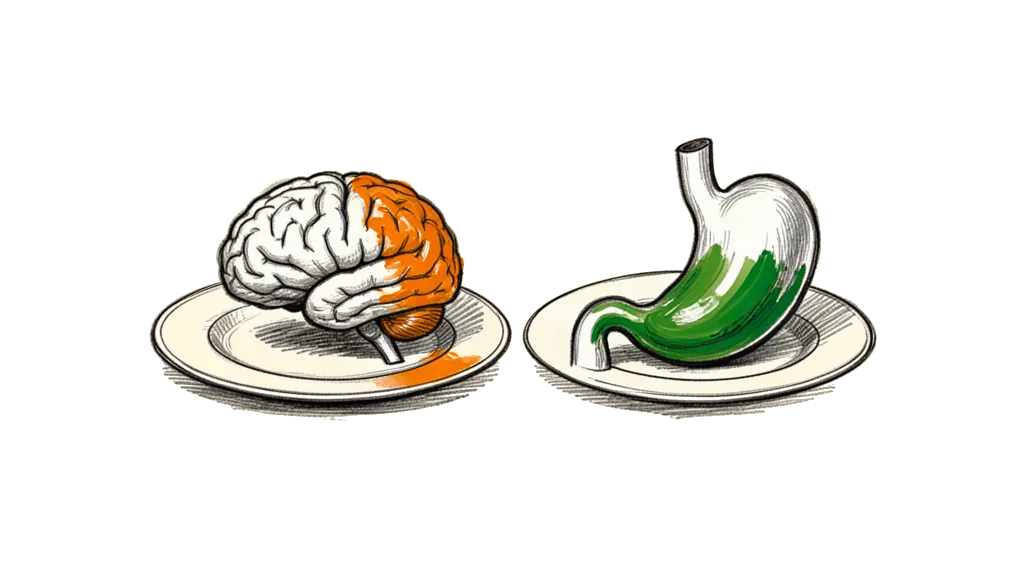
John Searle argues that consciousness is a real biological feature of brains, not some software abstraction floating free of biology. In plain words, brains cause consciousness the way stomachs cause digestion, and experience is natural but can't be reduced to pure computation.
That's useful because it keeps the discussion grounded in biology and rejects both dualist mysticism and the mind-is-just-code shortcut. The main criticism is that calling consciousness biological points the right way, but we still need the mechanism.
Ned Block is famous for the split between access consciousness and phenomenal consciousness. Access consciousness is information that is available for report, decisions and control. Phenomenal consciousness is what it feels like from the inside.
For neuroscience this matters a lot, because a model can explain why you can report something without fully explaining how it feels. Block stops us from mixing up the two.
Edelman, Crick and Koch
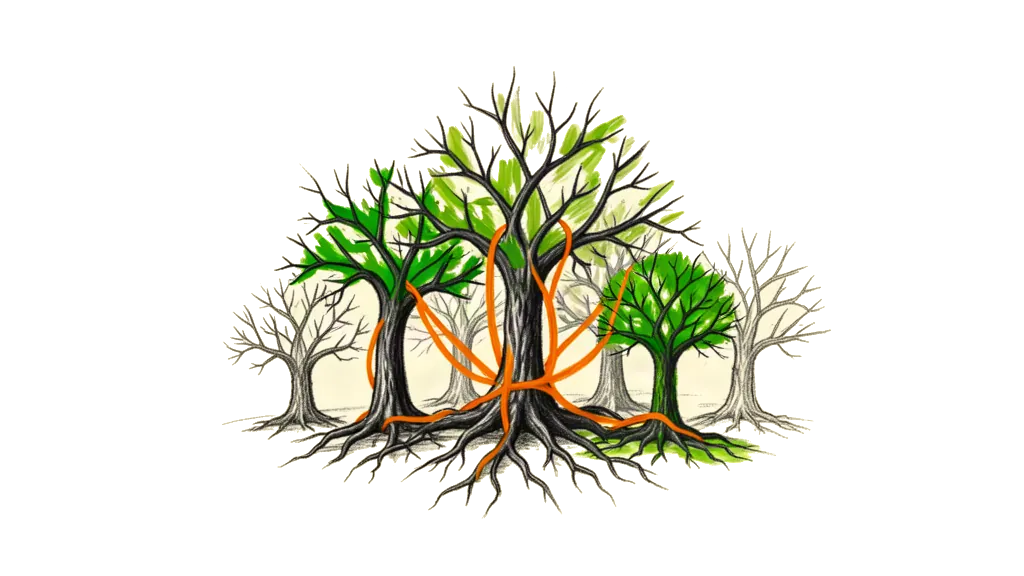
Gerald Edelman proposed dynamic selectionist models, often linked to neural Darwinism. Groups of neurons compete, stabilize and coordinate through reentrant signaling.
What non-specialists can take from it is that consciousness may depend less on one magic center and more on ongoing coordination across changing populations in the brain.
Crick and Koch helped make serious consciousness science normal, because they framed it as a biological research problem you can solve and pushed the search for NCCs, the neural correlates of consciousness.
What they left behind is a field driven by tests, a focus on specific circuits and timing, and a move from abstract metaphysics to hypotheses you can measure.
The global workspace
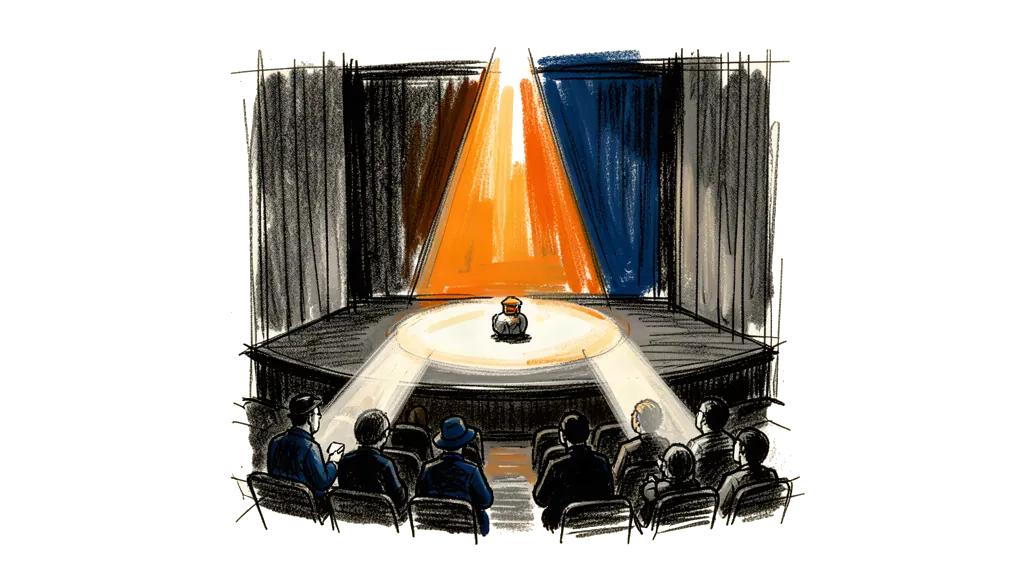
Global Workspace Theory from Baars and the Global Neuronal Workspace from Dehaene and colleagues say that conscious content is information that gets broadcast globally, so many systems can use it.
The simple version is that unconscious processing is local and specialized, and conscious processing is globally available and ready to report. It fits very well with a lot of findings on attention, report, masking and ignition.
The limit is that it's still debated whether global availability explains the felt experience itself or mostly cognitive access.
Patterns, timing and attention
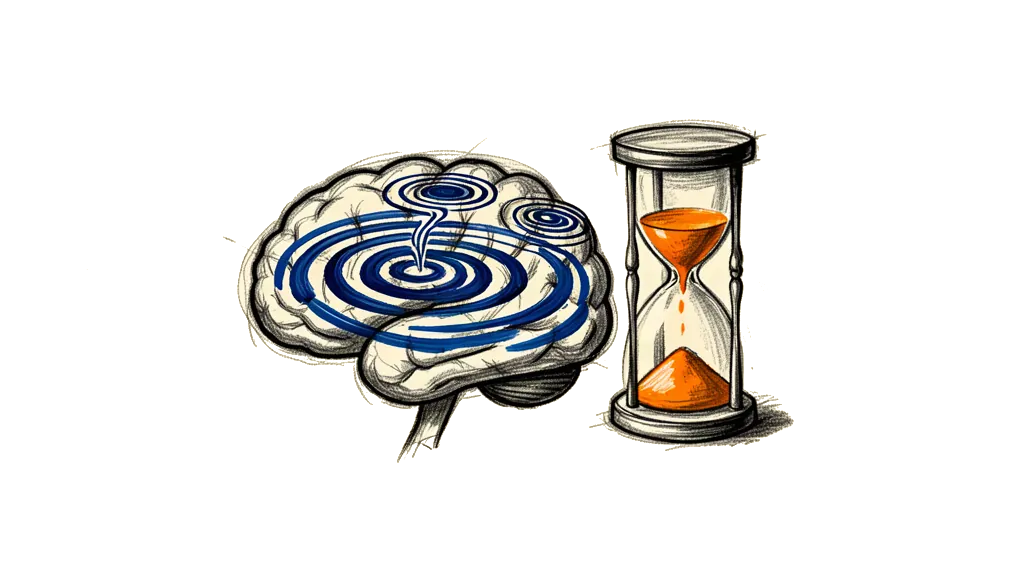
William Calvin has looked at pattern dynamics across the cortex and at timing architectures that matter for thought and awareness.
In this map he stands for the attempts to explain consciousness through patterns that evolve across the brain, and not through modules sitting in one spot.
Claire Sergent's work on the timing of conscious access, especially with near-threshold paradigms, made the neural timeline of awareness sharper.
It matters because consciousness isn't only about where in the brain, but also when and how quickly information becomes usable everywhere.
Jesse Prinz proposes views based on attention and on intermediate level representations. Consciousness tracks the intermediate representations you pay attention to.
In plain words, not every representation in the brain becomes conscious, attention and the format of the representation both matter.
Kent Bach shows up here because of his work on clear representations and concepts in theories of mind. In practice he helps keep the lines clean between having information, accessing it and experiencing it.
Circuits, dendrites and the brain at rest
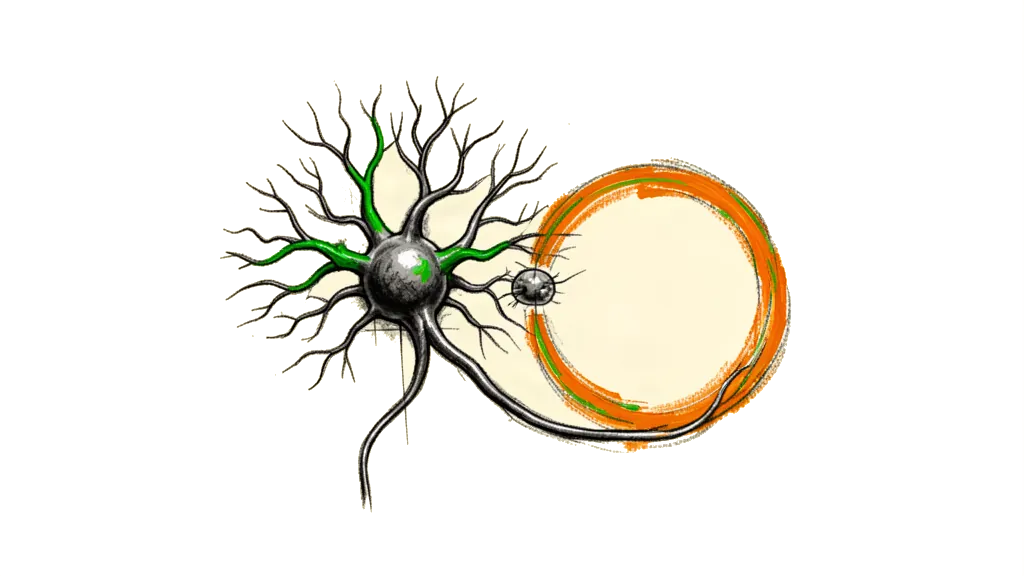
Circuits and cycles sum up a broad trend that most people agree on. Consciousness probably depends on circuit motifs and on things going round in cycles, thalamocortical loops, recurrent interaction in the cortex, oscillatory synchrony and feedback, and not on one single feed-forward pass.
Dendritic computation is newer work that treats dendrites as active units that compute, not as passive wires. That's exciting, because if single neurons do richer local computation than the old models assumed, the biological basis of conscious integration may be stronger, and more subtle, than the classic simple neural nets.
Georg Northoff focuses on spatiotemporal brain dynamics and on how the brain processes the self. His core idea is that consciousness may need a specific organization of brain activity in time and space, including the structure of the resting state, and not just events of stimulus and response.
That helps explain why the baseline state of the brain shapes experience so much.
Bunge, Sapolsky and agency
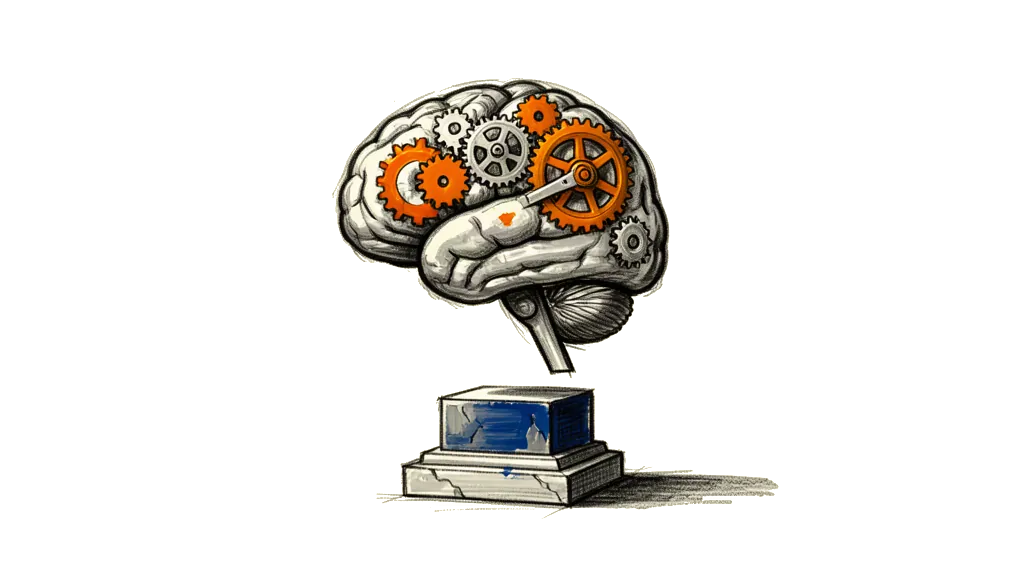
Mario Bunge defended a scientifically serious materialism that looks at systems and resists both dualism and hand-waving reduction. It's relevant because thinking like Bunge pushes for clear mechanisms and still respects that each level has its own explanations.
Robert Sapolsky brings the broad biological context. Behavior and thinking come out of layered causes, genes, development, hormones, environment, social structure and the state of the neurons right in that moment.
For consciousness that means stories on one level only are usually wrong, and awareness sits inside biology that runs on many timescales.
The free agents debate is the question of agency inside neurobiology. If conscious decisions go together with neural preparation you can measure, what is left of free will? The nuance is that the debate isn't about free or not free in a cartoon way anymore.
It's about what kind of control, self-modeling and choosing of policies a conscious system can really do inside real biological limits.
William Hirstein's work on confabulation, self-representation and neuropsychological syndromes reminds us of something important. Our first person certainty can be distorted in a systematic way by brain damage or dysfunction.
So theories of consciousness have to explain not only normal experience but also the pathological edge cases where self-models break.
What this column gets right, and what it doesn't
There are four things this whole column gets right. One, it is testable. Two, it builds up over time. Three, it ties philosophy to data. And four, it explains a lot about conscious access, report and integration.
And there are three things it still struggles with. One is why specific neural dynamics feel like something from the inside.
Two is how to bridge mechanism and phenomenology without hand-waving. Three is how to bring competing models together into one mature framework.
In plain language, neurobiological theories are the strongest empirical path we have right now. They don't solve everything, but they give real traction and real predictions.
If you care about truth more than ideology, this column is essential, because it makes every philosophical claim face the brain sooner or later.