Idealism: A comparative map across traditions

TL;DR: Idealism holds that consciousness is fundamental and the physical world comes second. This map runs from Indian, Buddhist and Daoist lineages to Kastrup, Hoffman and McGilchrist today. The traditions share that consciousness cannot be reduced, and their disagreements are the research program.
Idealism is the view that mind, consciousness or awareness is not a side effect of matter but fundamental to reality. In its strongest forms the physical world comes second. It's an appearance inside consciousness, a structured representation or an expression of spirit.
This is a map of the main strands of idealist thought across traditions and centuries, and it puts thinkers of today in conversation with the older lineages. The goal is not to flatten the differences into one doctrine. The goal is to make the family resemblance clear, and that is that reality only makes sense if consciousness comes first.
If you're new to the philosophy of consciousness, here is the 2-minute version. This is a map and not a final answer. Every section explains one idea in plain words and then shows where it helps and where it struggles. You don't need to agree with everything, the point is to understand the options clearly.
Why idealism keeps coming back
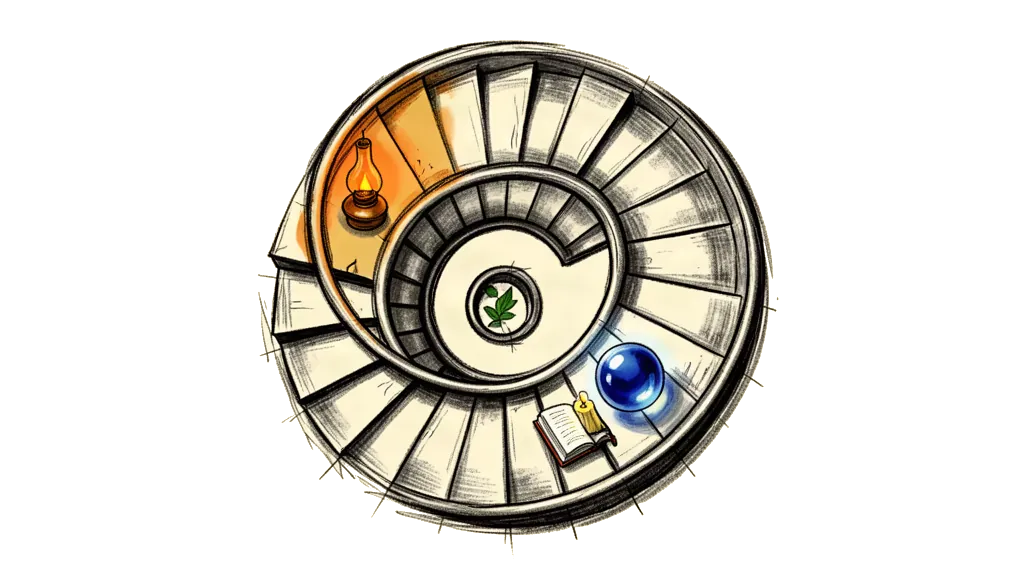
Idealism shows up in cycles. In ancient and classical traditions it often comes as a spiritual and metaphysical insight, so the Self, emptiness, Dao, Logos, mind-only. In modern philosophy it comes as epistemic rigor, with the question what can be known independent of mind, and as an answer to materialist reductionism. And in the debates of today it comes back through consciousness studies, philosophy of mind, cognitive science and speculation close to physics.
Why does it keep coming back? Because the "hard problem" of consciousness never goes away. If matter really is fundamental, how does experience come up at all? Idealism turns this around. Experience is given first, and "matter" is what experience looks like under specific constraints.
Indian traditions
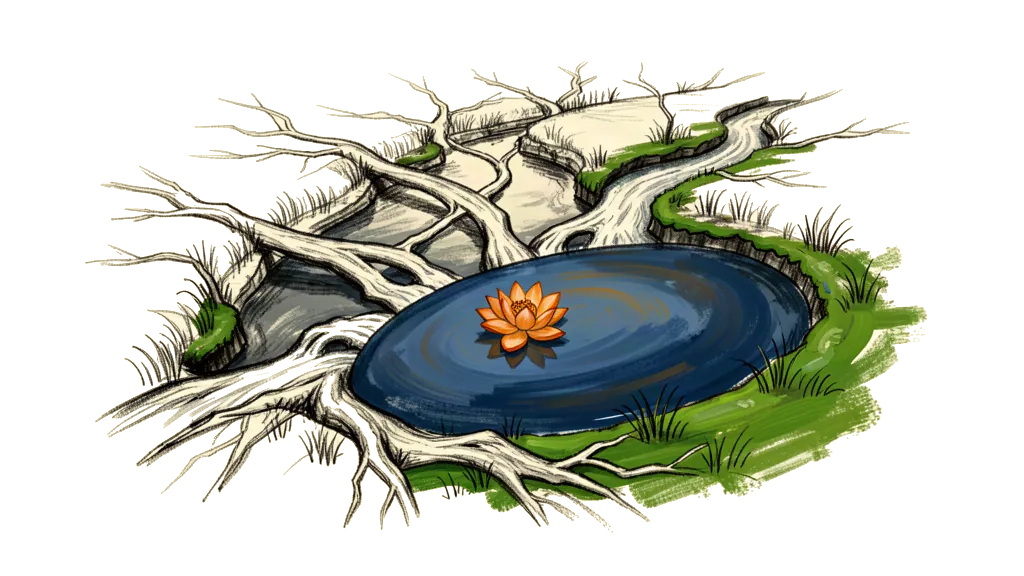
Indian philosophy is not one thing, it's a dense ecosystem. But a lot of Indian streams meet in one deep move. Ultimate reality is consciousness, and the many things we see are a modulation, a limitation or a misreading of that ground.
Unlike a lot of modern Western idealism, these traditions often join metaphysics with disciplined practice. Knowledge is not only conceptual, it changes you.
Ramana Maharshi
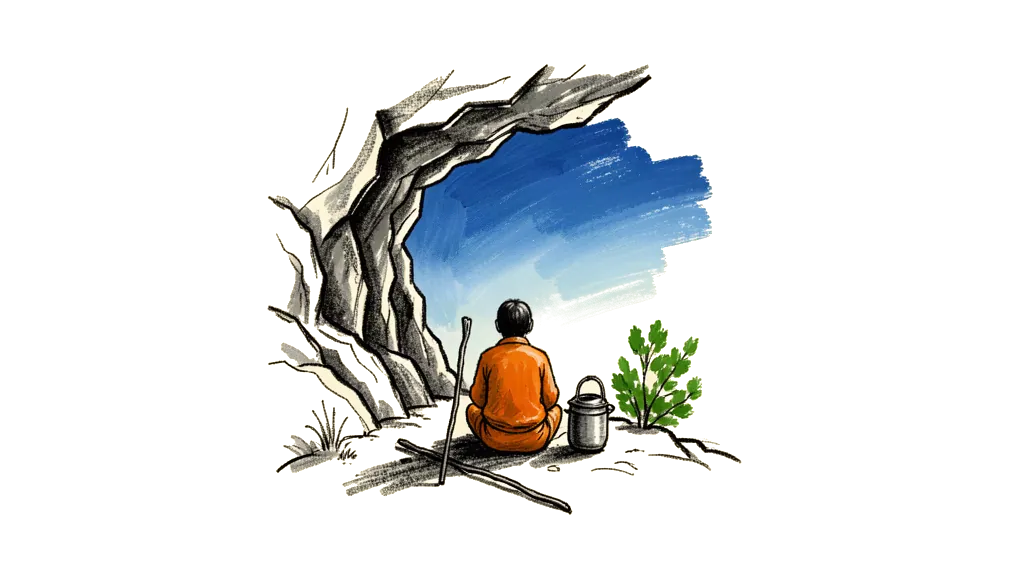
Sri Ramana Maharshi's method is radical because it's so simple. Ask Who am I? Not as a slogan, but as a long inward inquiry that dissolves the identification with body, thought and story.
His metaphysics is non-dual, even if it stays mostly implicit. The true "I" is not the ego personality. Awareness lights itself and comes before any mental content. The world appears with the mind, but the Self stays.
From an idealist angle Ramana gives an argument from experience. The subject that knows all objects can't itself be made an object, and so it's ontologically unique.
Sri Aurobindo
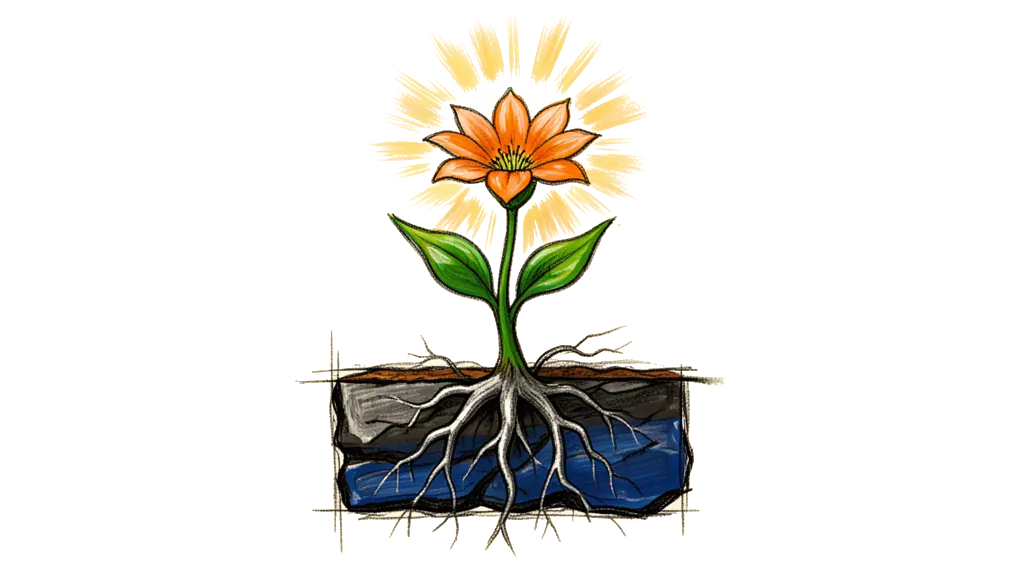
Sri Aurobindo accepts evolution but turns around the direction of the explanation.
For strict materialism, consciousness comes out of matter. For Aurobindo, consciousness is involved in matter and unfolds through life and mind toward supramental realization. That is teleological idealism. Reality is not a random mechanism, it's conscious becoming.
His synthesis matters because it keeps both, transcendence and history. The Absolute is real, the world process has meaning, and human development is not accidental noise but part of a wider unfolding.
P. R. Sarkar
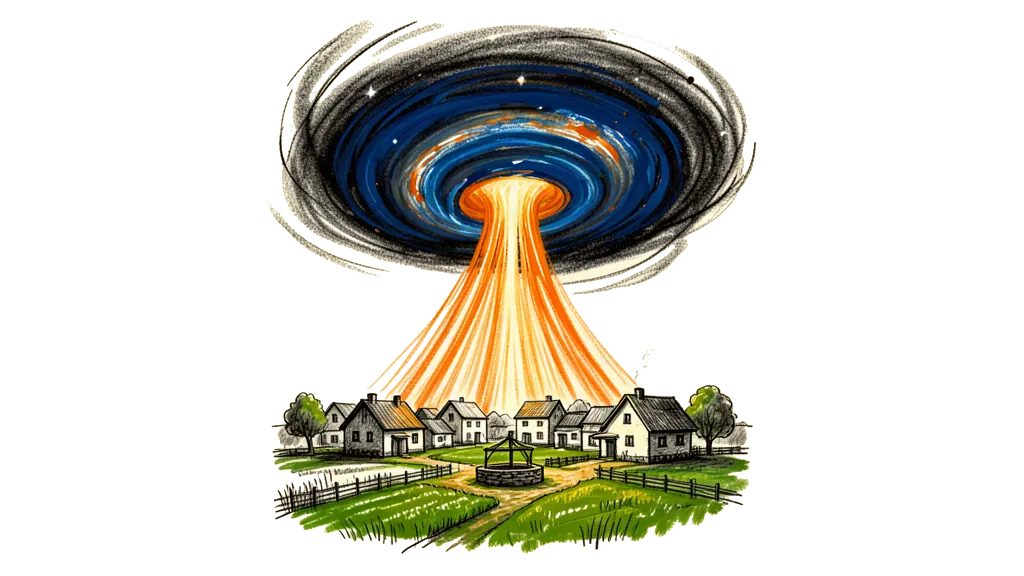
P. R. Sarkar builds a broad metaphysical system where consciousness is the foundation and the universe is a dynamic expression of a cosmic mind principle. Unlike purely contemplative idealism, Sarkar connects ontology with social ethics and the design of civilization.
What he adds is that idealism doesn't have to mean pulling back from the world. You can use it as a theory of value, responsibility and collective evolution.
Kashmir Shaivism

Kashmir Shaivism is one of the most sophisticated non-dual idealist systems in world philosophy. Ultimate reality (Śiva) is pure consciousness, but it's never inert, it can't be separated from Śakti, the power of manifestation.
This avoids the usual caricature of idealism as "the world is unreal". Here the world is real as expression, just not as a substance that grounds itself.
The core motifs are simple to say. Everything is consciousness in contraction or expansion. Limitation (mala) explains the finite perspective. And recognition (pratyabhijñā) is waking up to your identity with the universal conscious ground.
Bhartrhari

People often come to Bhartrhari through the philosophy of language, but what follows from it is metaphysical. Reality, cognition and language are deeply tangled together through śabda, the principle of word and speech.
From an idealist view he shakes naive realism. What appears as "a world of objects" can't be separated from structures of meaning and cognition. Mind doesn't just mirror reality, it takes part in making it intelligible.
Buddhist traditions

Buddhist traditions are diverse and you can't squeeze them into one idealist thesis. But a lot of schools attack substance realism at the root.
Two lines matter here. Yogācāra, read as mind-only, says experience is structured by cognition, and realism about external objects is philosophically unstable. Madhyamaka says all phenomena are empty of inherent existence, things exist dependently, in relation and by convention.
Buddhist thought often refuses both, a materialist substance and an absolute spiritual substance. The practical result is close to the challenge of idealism. What we call "reality" is not what common sense assumes.
Daoism

The Dao De Jing is not an idealist treatise in modern terms, but it points to a non-reductive ontology where named forms come out of a source you can't put into words, the Dao.
It matters here for its method. It doesn't turn appearances into fixed things, it puts process over static substance, and it invites you to align with the generative ground instead of dominating phenomena.
Next to the others, Daoist thought supports a "soft idealism" or process non-dualism. The visible world comes from a deeper principle that object language can't capture.
Bernardo Kastrup
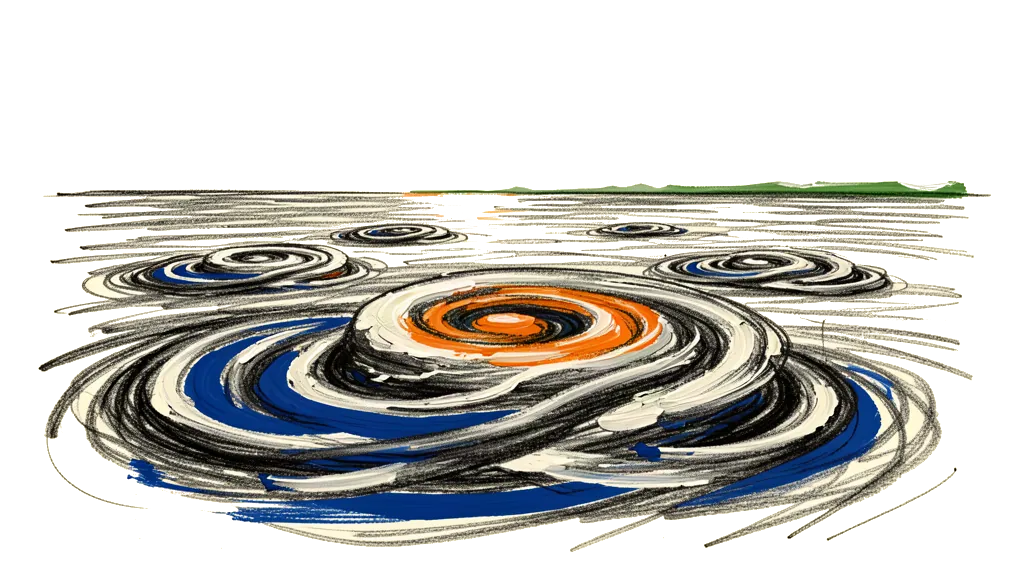
Kastrup wants to bring idealism back with the tools of analytic philosophy today. His central claim is that there is one universal consciousness, and individual minds are dissociated alters inside it.
The strengths of his model are that it goes straight at the hard problem by making consciousness primary, that it's a parsimonious monism compared to dualist hybrids, and that it tries to build bridges to neuroscience and empirical anomalies.
The usual criticisms are that dissociation as a metaphysical mechanism can look ad hoc, that it's still debated if he really explains more or just reinterprets, and that it risks under-specifying the mathematics behind the regularity of the world.
Still, Kastrup matters a lot, because he brings idealism back into mainstream philosophy without reducing it to mysticism.
Donald Hoffman

Hoffman argues that perception doesn't track truth, it tracks fitness. Evolution favors useful interfaces, not true pictures of objective reality.
From this he builds a consciousness-first model where spacetime and objects are not fundamental.
And this matters. It undermines naive realism with arguments from evolutionary game theory, it makes room for mind-first ontologies, and it reframes physics as describing the structure of the interface and not ultimate being.
Hoffman isn't just repeating classical idealism. He builds a computational and formal argument that the world we perceive is like a user interface.
Iain McGilchrist
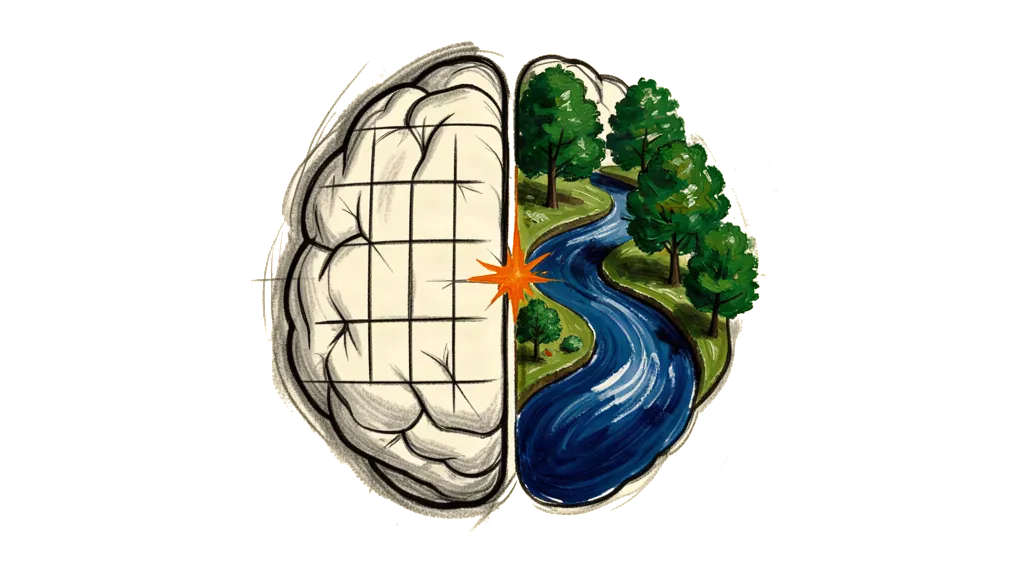
People often talk about McGilchrist through neuroscience and culture, but what follows from him is metaphysical. His hemisphere thesis suggests that modes of attention open up different worlds. The left-dominant mode is abstraction, control and taking things apart. The right-dominant mode is context, relation, presence and living wholeness.
He doesn't give a strict idealist system, but he shakes materialist certainty by showing how our ontologies may be artifacts of how we pay attention. In that sense he adds to the idealist critique. The world we think is "just there" may be co-produced by how we attend.
What they share and where they split
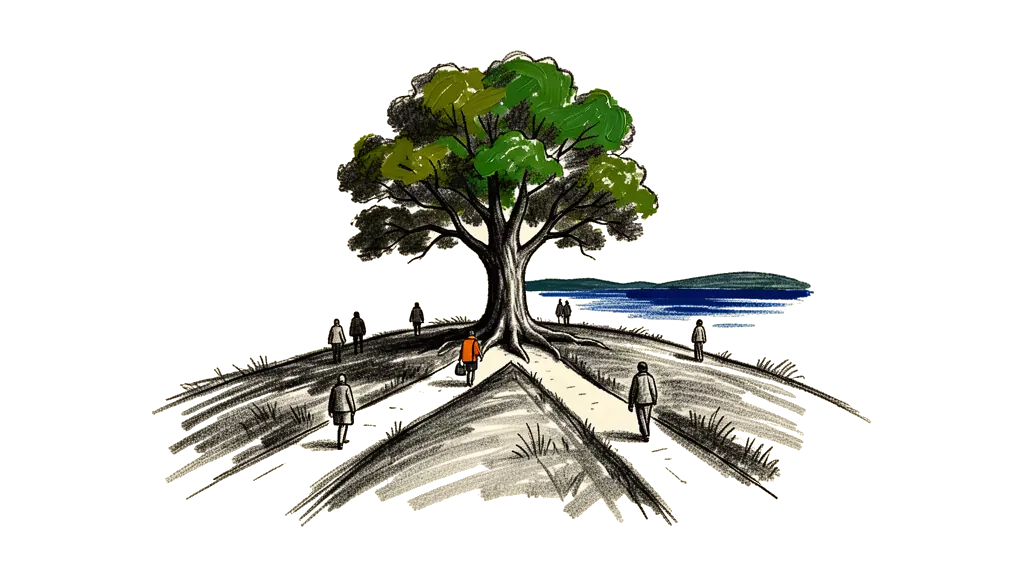
Across all these thinkers and traditions you see the same things again and again. Consciousness can't be reduced without something left over. Appearance and reality are not the same. Conceptual maps don't exhaust being. And when the knower changes, the known world changes.
They also disagree in important ways. Is the Absolute personal, impersonal or beyond that distinction? Is the world an illusion, an expression, empty, or an emergent interface? Is liberation mainly contemplative, ethical, social or evolutionary? How much weight do we give to formal modeling and how much to lived realization?
These tensions are not failures, they are the research program.
A practical synthesis

If we build a practical synthesis for today, it could look like this. Ontological humility, because what looks materially self-evident may be mediated by representation. Consciousness first, because experience is not a side note in the universe, it's central data. Plural methods, so meditation, phenomenology, analysis and formal science correct each other. And the ethics that follow, because if mind is foundational and relational, then exploitation is metaphysically shortsighted and not just morally wrong.
Then idealism becomes less of a dogma and more of a disciplined orientation. Reality is participatory, it becomes intelligible through consciousness, and it's deeper than object language alone.
Materialism asked us to treat consciousness as late and local. The idealist traditions here ask the opposite. What if consciousness is early and everywhere?
Whether you end up in non-duality, analytic idealism, process metaphysics or critical agnosticism, the frontier is the same. The nature of consciousness is the nature of reality's disclosure.
And if that's true, then philosophy is not only about what exists but about how we learn to see.
A few words in plain English

And a few words in plain English. Consciousness is your felt inner experience, what it is like to be you. Physicalism is the view that reality is fully part of nature and physics. Dualism says mind and matter are fundamentally different in at least one important sense. Monism says reality is in the end one kind of thing or one underlying principle. Emergence means complex systems can show new patterns that are not obvious from their parts alone. Qualia are the felt qualities of experience, like the redness of red or pain as it feels. And the explanatory gap is the gap between describing brain processes and explaining felt experience.