How to Fine-Tune AI Models for Enhanced Financial Insights
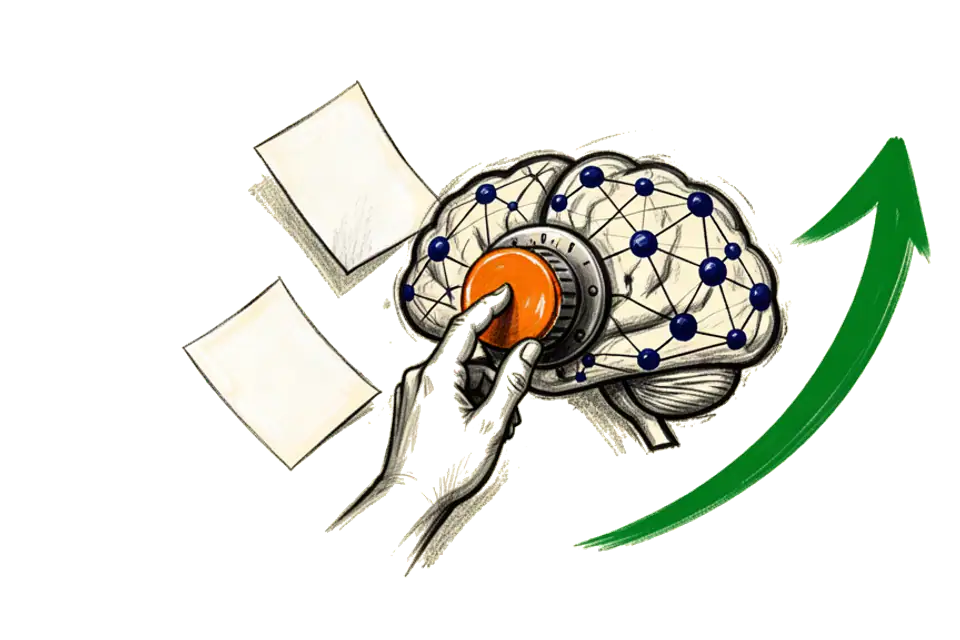
TL;DR: Fine-tuning takes a pretrained model and trains it further on your own financial data. Financial data has to be cleaned and normalized first, then you pick a model that fits it. Training is iterative, and the model needs checks and regular updates as markets change.
I wrote this with the help of wordware.ai and multiple models.
In finance, AI is now at the center of a lot of new things and makes a lot of financial services faster and cheaper. But if you want to get the most out of it, you have to fine-tune a pretrained model to your own financial tasks and your own data.
This post is about how you do that in practice, so the model gives you answers that fit and works well.
What fine-tuning is

Fine-tuning means you take a model that is already trained, like GPT-3. It first learned general knowledge from huge amounts of data, and then you adapt it to what you need. It's a big part of transfer learning. The model learns new data fast, because it changes its internal weights to give the new information more weight and still keeps what it learned before.
With architectures like large language models (LLMs) or convolutional neural networks (CNNs), fine-tuning brings the model closer to finance tasks, for example detailed financial analysis.
For banks and other financial companies with a lot of digital data, fine-tuning is how they stay ahead. It uses less compute, you need less labeled data, and you can quickly make a model fit a small, special part of finance.
Getting the financial data right

Financial data is transaction records, what users do in their accounts, news feeds from outside and posts from social media. It feeds models that predict how people spend, where they invest and how big a risk is, and that matters a lot for things like fraud detection and managing money.
Financial data comes in big amounts and very fast, so you need good systems to manage it. The quality has to be high and reliable, because mistakes can cost a lot. And you need strict data privacy and you have to follow the rules of the regulators, so sensitive information stays protected.
First you clean and normalize the data, so it stays correct. Methods like min-max scaling and Z-score standardization bring all the data to the same scale, and you need that before the data goes into the model.
Picking and training the model
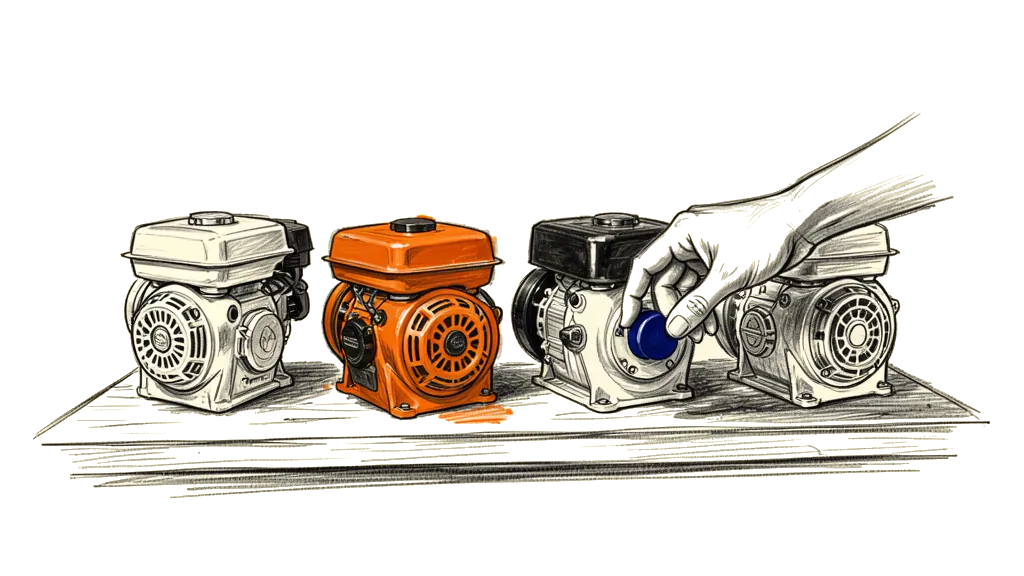
Then you pick the pretrained model. That choice matters a lot, and it should depend on how close the data the model was first trained on is to your financial task. The right model needs fewer changes, and that makes fine-tuning easier.
Fine-tuning is something you repeat. You change the model parameters in small steps with methods like gradient descent. It's better to go slow and use smaller learning rates, so the model stays stable. Parameter-Efficient Fine-Tuning (PEFT) only updates some of the parameters, and that saves a lot of compute, so it's a good choice.
Say a financial company fine-tunes an LLM with its own data to get better at risk assessment. It gets more accurate credit risk predictions and catches more fraud.
Checking and updating
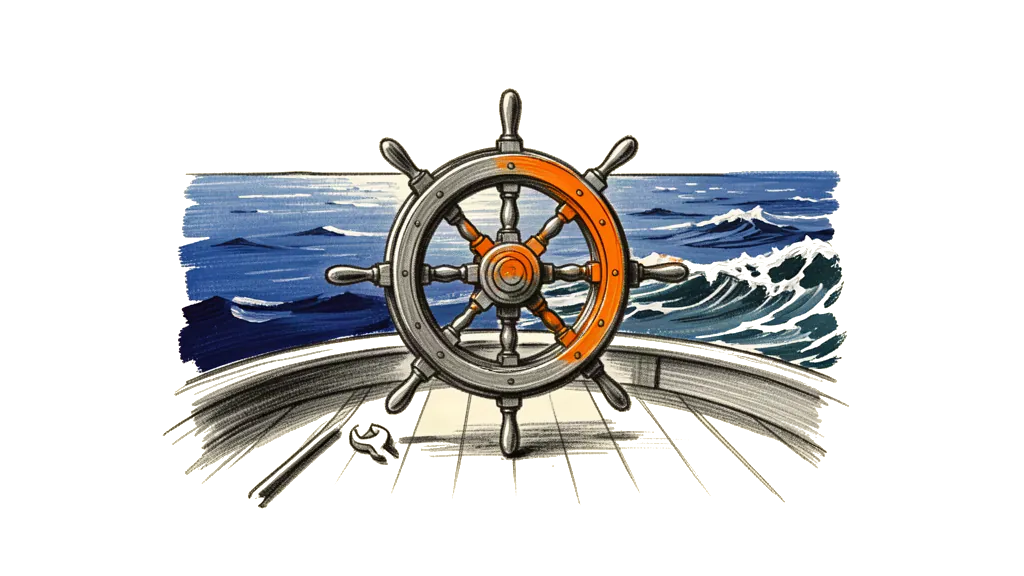
After fine-tuning you have to check the results. If the model doesn't do well enough or misses the numbers you want, you change the hyperparameters and try again, and you keep doing that, so the model stays good and useful.
Financial markets change, so a fine-tuned model has to keep learning and get updated with new data trends and new rules. Methods like Reinforcement Learning from Human Feedback (RLHF) make things like the accuracy of predictions or the quality of customer conversations better.
To scale in finance you need a lot of compute and good systems for your data. Cloud is a big part of that, because it can grow with your data and your compute needs.
Why it matters now

So for finance, fine-tuning AI models is something you have to do now, because everything runs on data. If financial companies understand fine-tuning and use it, AI can help them see market changes coming and react to them, and make their services better.