Drugs as amplifiers: The hidden symphony of human emotion
TL;DR: Drugs and alcohol act like amplifiers that pick for themselves which feeling gets loud. Alcohol turns up whatever is already there, ketamine numbs critical thinking and cocaine inflates confidence. Know your limits and keep emotions in balance with your logical brain.
Two ways to tell this story
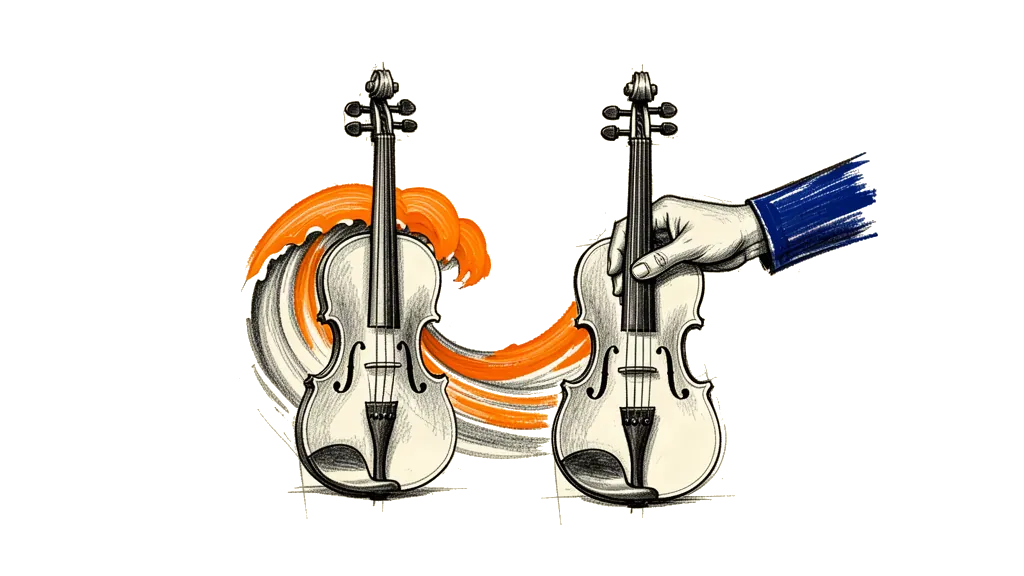
There is also a second way to tell this story, and it goes the other way round. Drugs as suppressors, the silenced symphony of human experience. That version says drugs don't amplify emotions at all, they suppress and distort what you feel.
It wants five things. It wants to show how alcohol, ketamine and cocaine get in the way of normal brain function and of how you handle your emotions. It wants to show that the effects are predictable and suppressive, because they follow the pharmacology of each drug.
It wants to read personal stories again and show how the drugs made real experiences duller. It wants to say that it's dangerous to call this "amplification" when it is really impairment. And it wants to put sobriety and real emotional intelligence forward instead of using substances.
The tone for that one would be clinical, with scientific evidence against the common ideas about what drugs do to mood and thinking.
This text is the first version. It's about how drugs and alcohol work like amplifiers that choose for themselves what they turn up, and how they strip away the pretending and show what is really there underneath.
Drugs as amplifiers
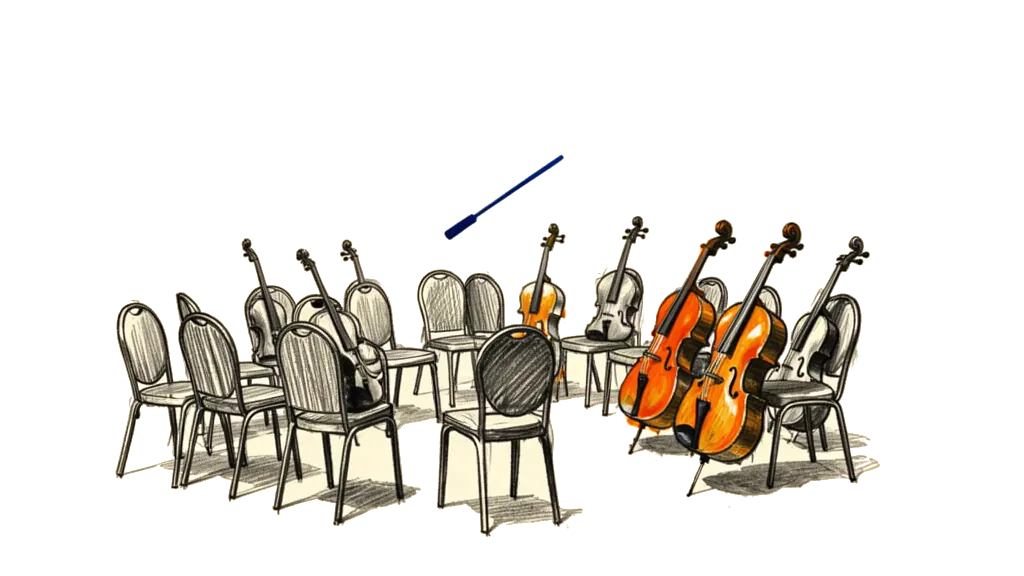
The idea is simple. Drugs don't just push into your head from outside. They act like amplifiers. They turn up the volume on whatever feeling you are tuned into in that moment.
Your mind is like an orchestra with a lot of instruments, and the drug becomes the conductor and picks which instruments, which emotions, get to play loud.
And sometimes it almost feels like the drug has its own mind about what it amplifies. Once you take something, your state of mind isn't really in your hands anymore.
It's more like you give the controls to a chaotic but strangely picky DJ who just wants to play the next track.
Alcohol, the wild card
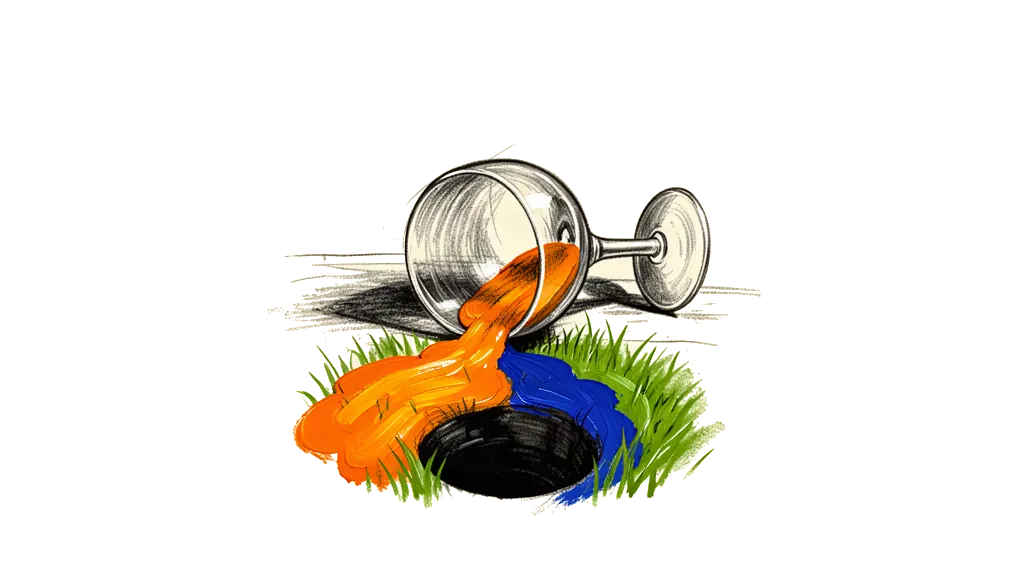
Alcohol is known for being unpredictable. A few drinks can lift you up into euphoria or pull you down into a dark hole. That's because alcohol doesn't choose, it amplifies any emotion that is floating around in your head.
A happy person gets happier, a sad person gets melancholic, and if you're angry, you can turn into a raging bull. The examples behind this text are exactly that, anger that comes out with alcohol, and a father's sadness.
The inner chaos when you're drunk and those extreme states are just amplified versions of things that were already there underneath.
And that wild card part is what makes alcohol so risky. It's like a roulette of emotions and you never know where it lands. One moment you're on top of the world and the next moment you're stuck in rage or despair that makes no sense.
This is why alcohol is often called the most dangerous of the recreational drugs. It can flip your emotional state completely, and you end up like a puppet on strings pulled by booze.
Ketamine
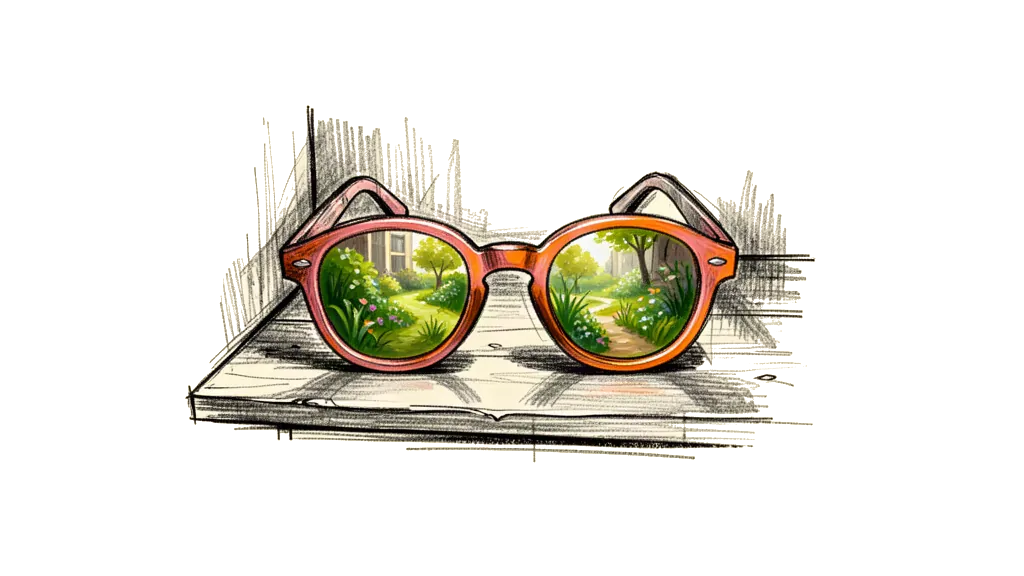
Ketamine is known for its dissociative effects and it turns your critical thinking down a lot, almost to a dangerous level. Even the worst place can look like a perfect world.
Your confidence goes up and your worries just disappear, and the world around you gets something almost mystical. But under that calm surface it's numbing your ability to look at your environment and judge it.
That same thing is the reason ketamine is used as an antidepressant. It can wipe out negative thoughts and turn up a calm, almost unreal feeling of being well.
But it cuts both ways. The dissociation gives you a break from mental pain, and at the same time it leaves you open to the dangers you stopped noticing.
Cocaine
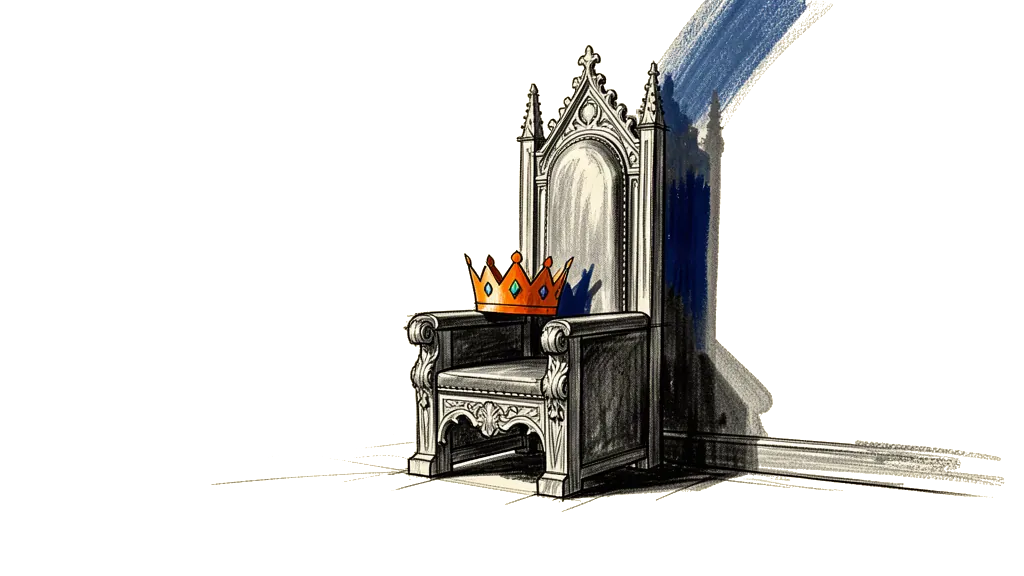
Cocaine turns confidence into something close to delusional grandeur. When you're on "C", it feels like the world is at your feet, even when it really isn't.
That overconfidence can lead to reckless things and to a wrong picture of what you can do. It feels like you can "run the world", and in reality you're running straight into a brick wall.
What the stories show
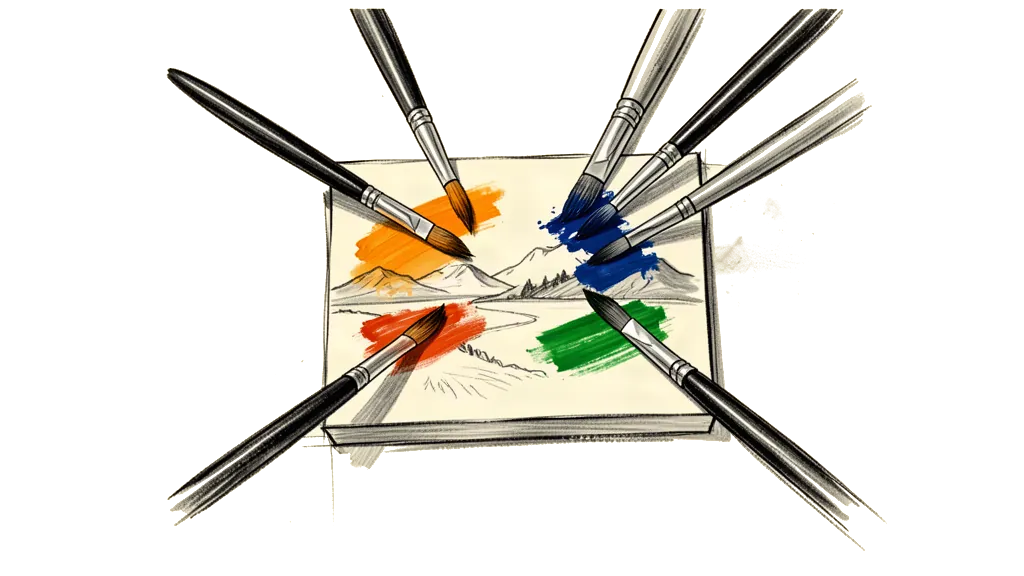
So there are a lot of layers here. To understand the mind under the influence you have to go deep. These drugs don't only amplify emotions, they can also write a story for the person who takes them, by pulling up feelings that were already hidden there, and every drug paints in its own way.
The personal stories are where this shows best, how these amplifiers don't just change our inner voice but sometimes take it over completely. The point isn't only to show the risks.
It's to understand better what happens when chemicals from outside take over what is going on inside us.
The brain, the balance and the dose
There is more to it, and it goes in seven points.
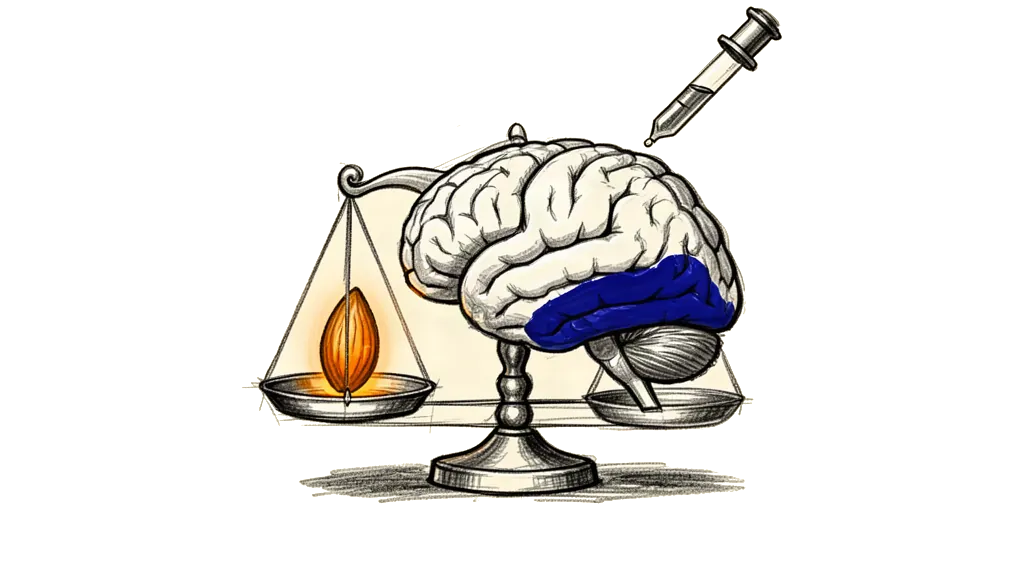
When the emotional brain takes over, especially after too much alcohol, the amygdala cuts off the logical brain and our thinking. That's why we often get blackouts and can't remember anything.
The logical part more or less shuts down and raw emotion takes over, so what we do isn't checked and isn't stored in our conscious memory.
Our state of mind is a mix of emotions. In good times happiness is on top, in bad times sadness takes over. People who are depressed often look for drugs to get their emotional balance back.
Some drugs can help you focus, but they come with the risk of breaking this fragile balance.
The third point is about how much you take. If you take too much, emotions can get so strong that you're cut off from your logical brain completely. Even a small feeling, like 5% sadness or anger, can be blown up to 90% or even 100%.
In that state people often act wild and do things they can't remember later. The overload gets so strong that it pushes out logical thought completely.
Survival instincts and the way back

Our emotional state comes from evolution, it's built for survival. When we sense fear, the amygdala takes over and tells us to run or fight.
Changing this natural state with drugs is like gambling with our survival instincts, with our own life, with other people's lives and with our inner peace.
Sometimes it's not easy to get your inner peace and balance back after drugs. Hangovers can be very painful and long, especially if you're more emotional by nature.
A big high can be followed by many days of depression. The more emotional we are without drugs, the bigger the effect and the longer it takes to recover.
The symphony and the jazz
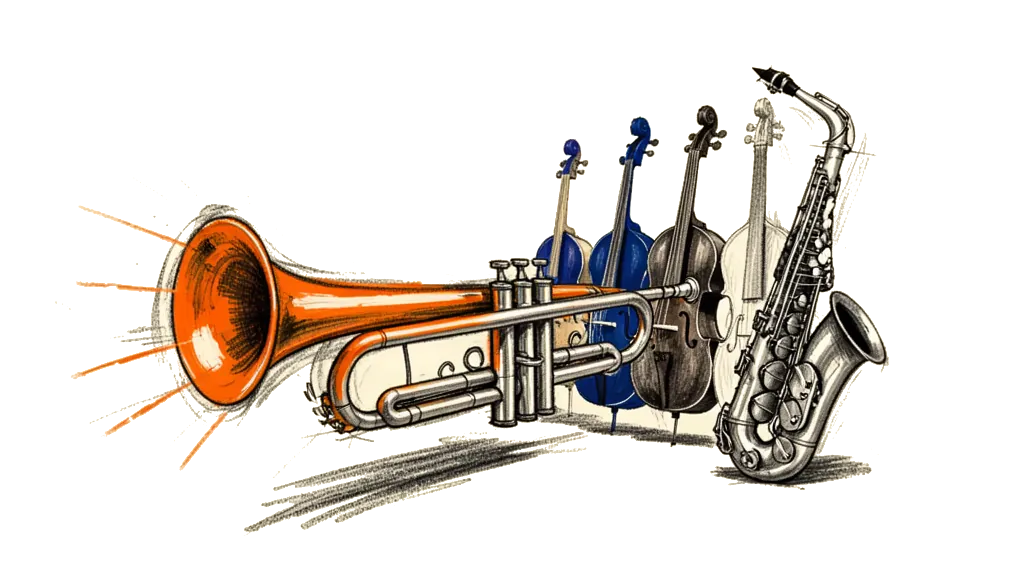
Our emotions are like a symphony, every feeling plays its part and together they make a balance. Taking drugs is like letting one instrument, one emotion, play a solo and ignoring the rest. Then you get an imbalance, one feeling gets so loud that it drowns out all the others and breaks the natural symphony of what we experience.
What you get is not a harmony but a chaotic solo, and it can go up to dangerous levels.
That was point six, and point seven is jazz. Feelings under drugs are like a wild jazz session. Jazz is free and improvised and can be beautiful and chaotic at the same time.
Just like jazz can go in any direction without control, so can our emotions on drugs. That lack of control can bring moments of clarity and insight, but also swings that are thrilling and scary at once.
The jazz session can go off the rails and take us to places that are just as likely to hurt us as to teach us something.
Keep the symphony in balance
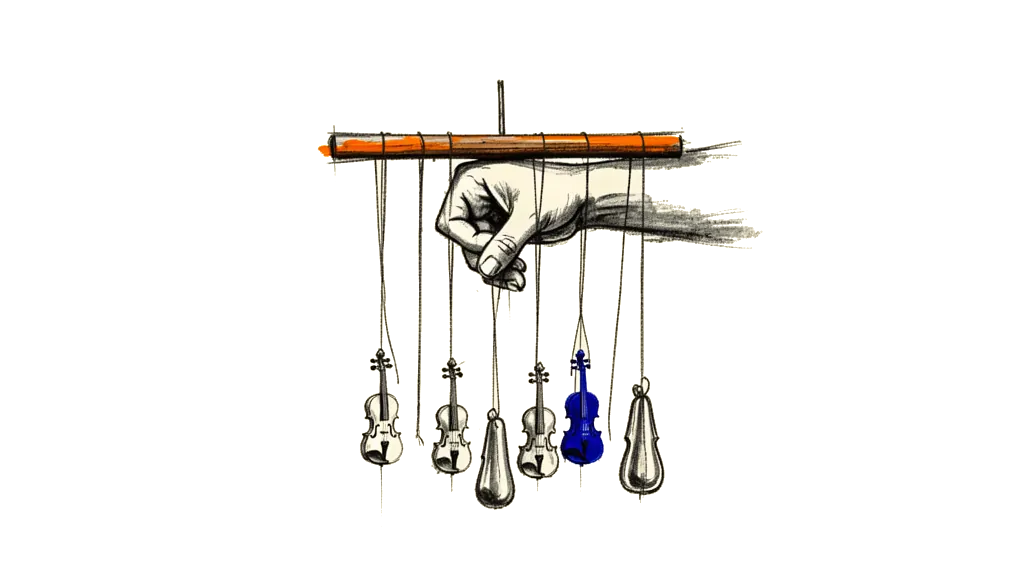
Long story short, emotions are the puppeteers that control our bodies. If we don't know how to handle them and balance them with our logical brain, we can lose ourselves.
And this balance isn't only about happiness, fear, anxiousness and anger, those four, it's about all our emotions.
It matters to watch this balance and be aware of it. If you let emotions take over, you can become someone you're not proud of, or make decisions you regret later.
Staying calm and cool and knowing your drugs and your limits keeps you on solid ground in the chaotic symphony of human emotion.
And one more thought. Like a jazz session swings between harmony and chaos, our emotions do the same under drugs. There can be moments that feel like deep understanding or bliss, but the lack of control is dangerous. When you see how unstable it is, it's easier to stay grounded and balance your feelings instead of letting them spiral.
So keep your emotional symphony in balance and be careful with the jazz drugs can start. Know your limits, and stay in tune with your logical brain and your emotional heart.