Dar es Salaam needs a world‑class safe dance space

TL;DR: Dar es Salaam Region grew from 4,364,541 people in 2012 to 5,383,728 in 2022, and the city is very young. This is an open call to build a safe dance space in the spirit of Berghain or Club der Visionäre, rooted in Singeli and local artists. The working title is DAR LISTENING ROOM: safety, fair pay, legal licensing and local leadership. It starts with listening and small legal pop-ups before any permanent venue.
This is an open call to artists, DJs, producers, architects, sound engineers and cultural organisers.
Dar es Salaam is not the next big city. It's the city that is already arriving, and it's arriving fast. The question is if the cultural infrastructure will arrive with it.
Today Dar es Salaam Region has 5,383,728 people according to the 2022 census, up from 4,364,541 in 2012. And it's young people who make up most of it. 37.1% are below 18 and 21.9% are between 15 and 24. The median age is 23.1.
That means millions of teenagers and young adults are growing up right now, and the city really needs safe, well run places where they can meet, dance, learn, make things and belong.
So this is a call to build a place in Dar es Salaam that feels, in spirit, like what Berghain or Club der Visionäre stand for in Berlin. Not a copy of Berlin but a Dar es Salaam original, a place that takes sound, community and freedom just as seriously.
A city growing this fast
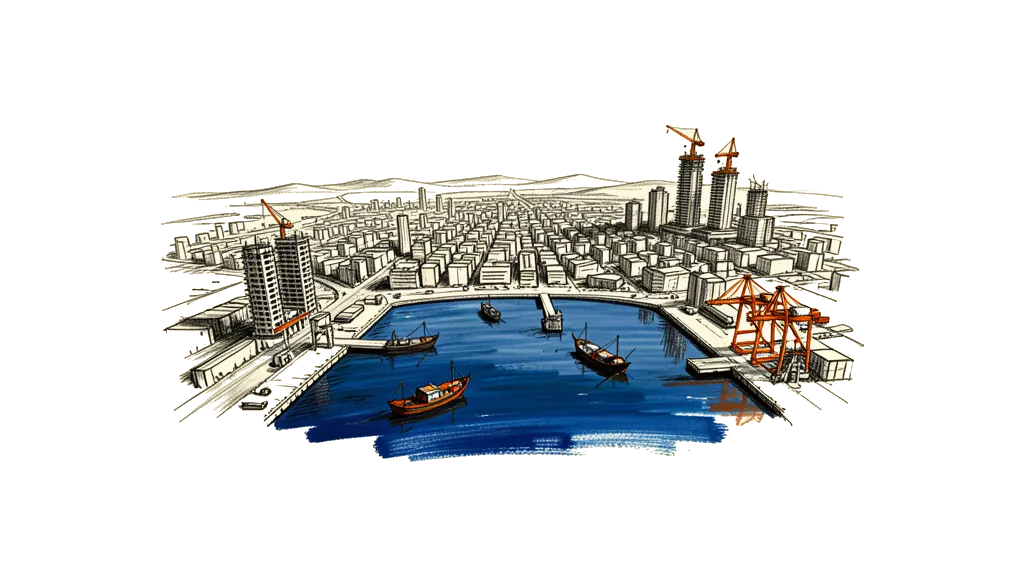
Different data sets use different borders, the city, the region, the metro or the urban agglomeration. But they all point the same way. Dar is growing incredibly fast.
One big set of projections has Dar es Salaam going from roughly 6 million to about 13.4 million by 2035, and crossing 10 million before 2030.
The World Economic Forum also listed Dar as one of the fastest growing cities in the world, with about 100% growth between 2020 and 2035. This is the city story of our time, a coastal city that expands, gets denser, takes in people and mixes itself again and again.
And in cities that grow this fast, cultural places are not a nice extra. They are pressure valves, they hold communities together and they shape who a city is.
A very young city
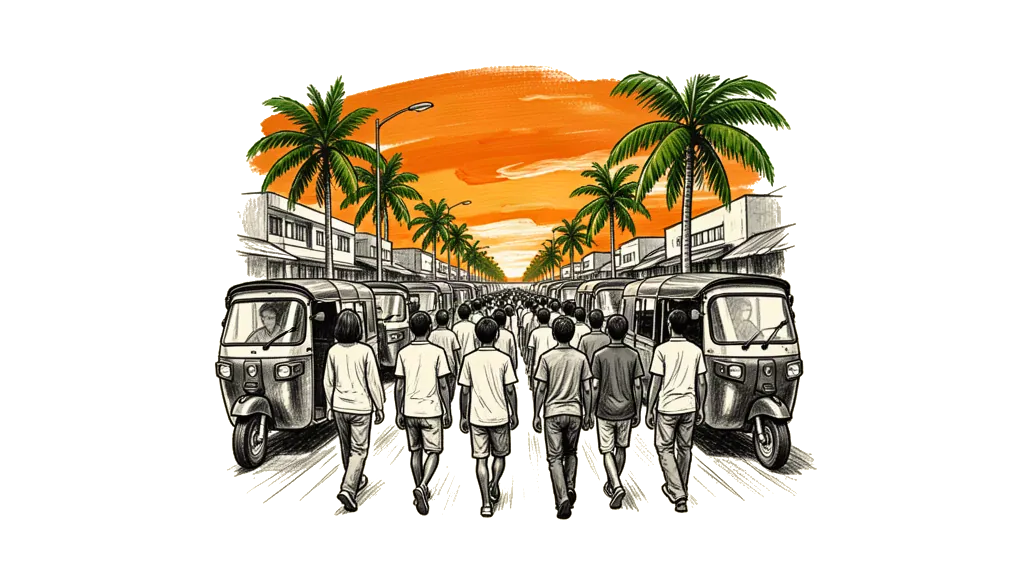
The 2022 census profile for Dar es Salaam Region shows a very young city. The median age is 23.1 (2022), 31.5% are below 15, 37.1% are below 18 and 21.9% are between 15 and 24.
The population pyramid also has a bulge between 20 and 29, which shows that young people move to Dar from other parts of Tanzania.
This matters for nightlife and for third places, the places that are not home, school or work. Dar doesn't just have young people, it has a steady wave of young people arriving and looking for community, chances and meaning. If we don't make safe cultural places for this generation, the city will still party.
But it will do it in broken up, fragile and sometimes unsafe ways, and we can do better than that.
The sound is already here
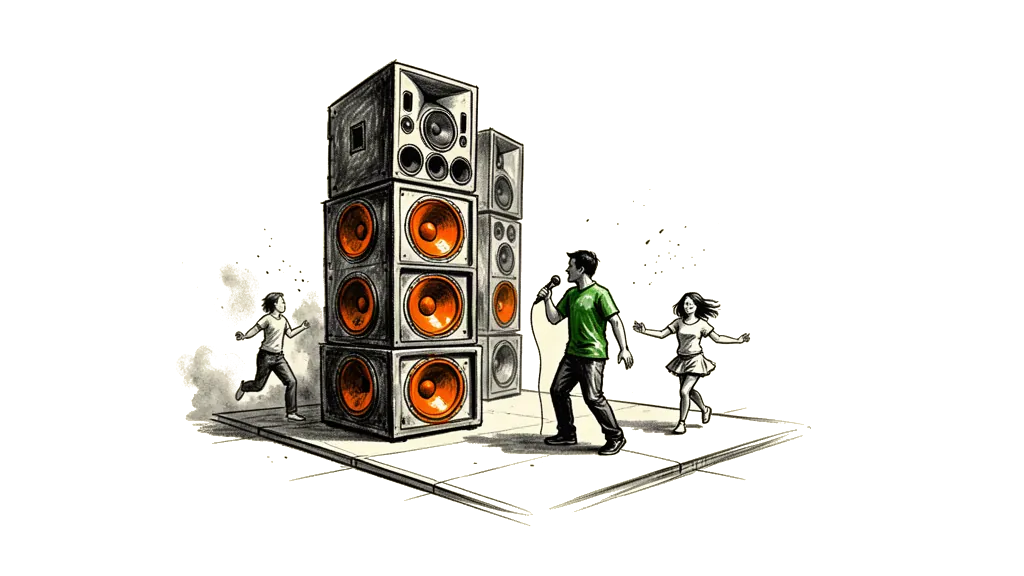
And the sound of the future is already here. Dar es Salaam already made one of the most radical dance styles on the planet, Singeli, very fast, driven by MCs, born on the street and wildly new.
UNESCO held a national capacity building workshop in Dar es Salaam in March 2025, linked to the work of Tanzania on the intangible cultural heritage nomination for Singeli.
Music journalists and regional platforms have written about how Singeli came out of working class districts in the late 2000s and became a sound that now travels the whole world.
So this is not about importing culture. It's about building infrastructure that matches the culture people in Dar already make, and giving young artists real stages, real sound, real respect and real pay.
What world class means here
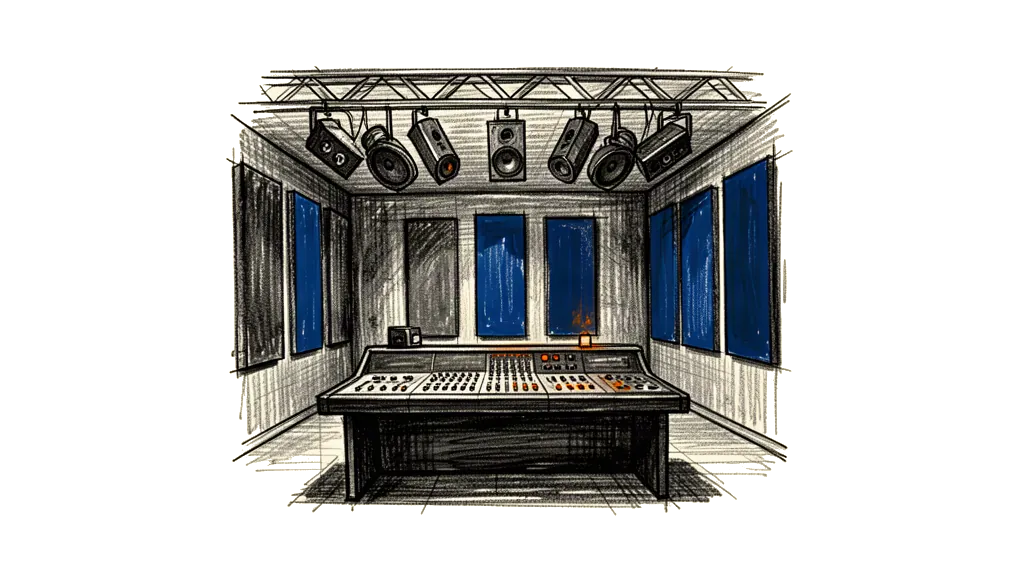
When we say a place on the level of Berghain or Visionäre, we don't mean the door policy, the hype or the myth. We mean the basics. World class sound, so a serious system, a serious room treatment and serious engineers.
Long musical journeys, where DJs and live acts have room to tell a story and not just play hits. Design that puts the community first, a dancefloor plus chill spaces plus water, fresh air and toilets that work. A culture of care, against harassment, with de-escalation, consent, first aid and safe rides home.
And local roots with global exchange, so Dar artists in the center and international guests invited to learn, work together and share. It should be a place where a young person can walk in and feel this.
“I am safe here. I can be myself here. I can dance here. I can grow here.”
DAR LISTENING ROOM
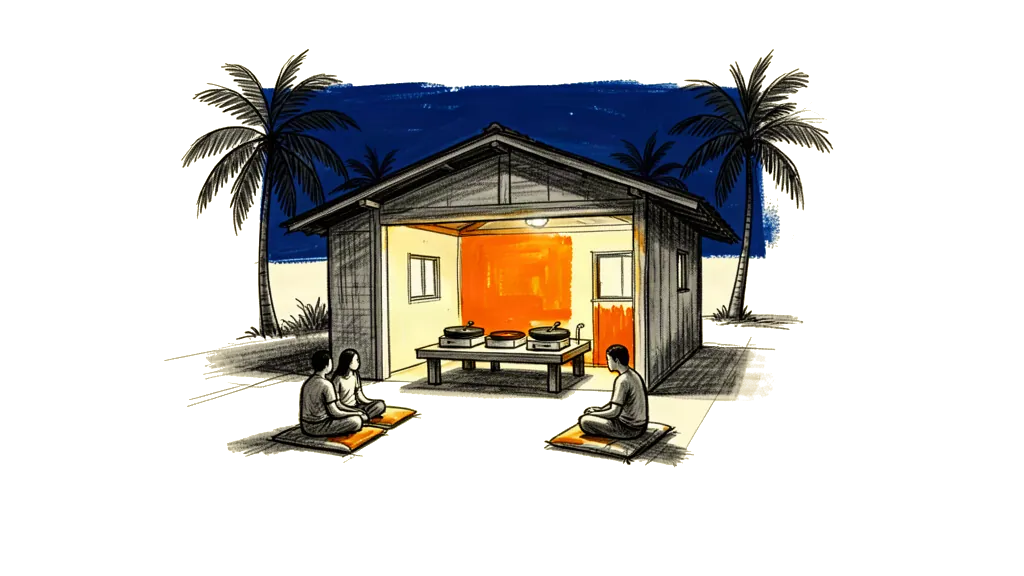
The working title for the project is DAR LISTENING ROOM, a club and community place built around safety, sound and youth culture. The core idea is a hybrid space that can hold club nights, live showcases, workshops, open decks, producer labs and community gatherings, with a strong focus on 18+ youth and the artists who will shape the next ten years.
For the program that means 18+ nights, with clear age checks and a culture that protects younger adults from being exploited. Lineups that put local artists first, Singeli, Bongo Flava, experimental, techno, house, amapiano, live percussion and spoken word. Learning skills, so DJ classes, MC workshops, mentoring in sound engineering and training in lighting design.
Residencies for new DJs, MCs and producers, monthly residents who get paid and mentored. And sober friendly events, because the dancefloor should not need you to be drunk or high.
Safety is not up for debate. There should be a public Code of Care, no harassment, no violence and no coercion. Staff trained in de-escalation and clear ways to report things.
Free water, clear exits, fresh air and first aid ready to go. And partners for safe transport home after events.
The money side needs open pay standards for artists, fair local jobs in security, bar, cleaning and tech, and tickets that keep entry cheap, like community tickets, student nights and early bird prices. And a plan to put part of the profit back into youth training and local cultural grants.
Doing it legally
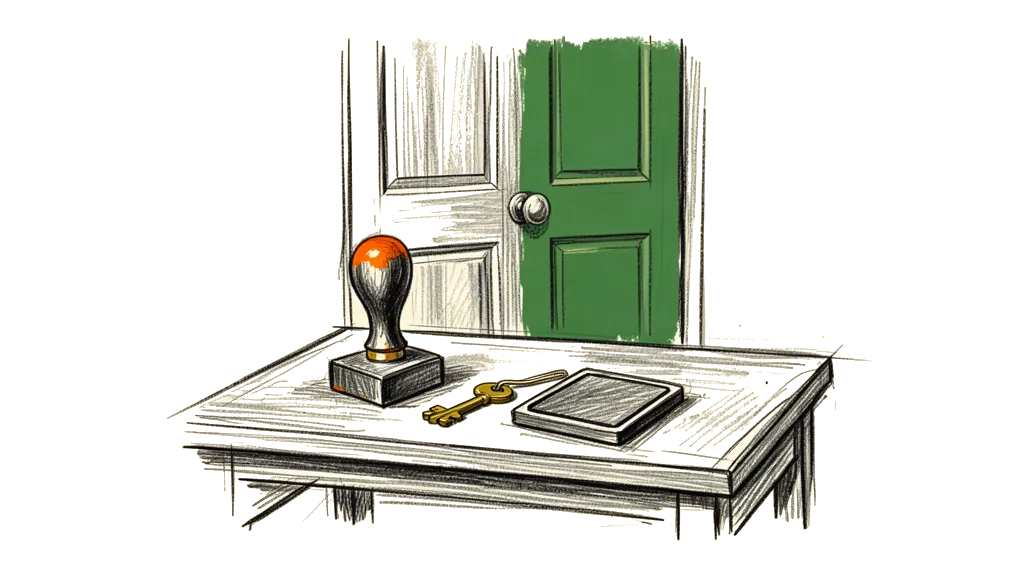
A club is not just vibes, it's also governance, so doing it legally and with respect in Dar means a reality check. Anyone building this in Dar should plan for a business license in Tanzania, where different classes and different authorities exist.
For public performance and music licensing, because Tanzania has a collecting society system and clubs usually have to pay music royalties. For event permits, since new rules for arts and event permits were reported, with fees tied to ticket price ranges.
And for alcohol licensing and age rules. The Intoxicating Liquors Act of Tanzania has offences for giving alcohol to people under 16, but no matter what the law says we can choose an 18+ house policy for entry and for alcohol, because it's safer and clearer.
This post is not legal advice. The point is simple, we build together with local experts and we build within the law, because safety depends on it.
Who we need
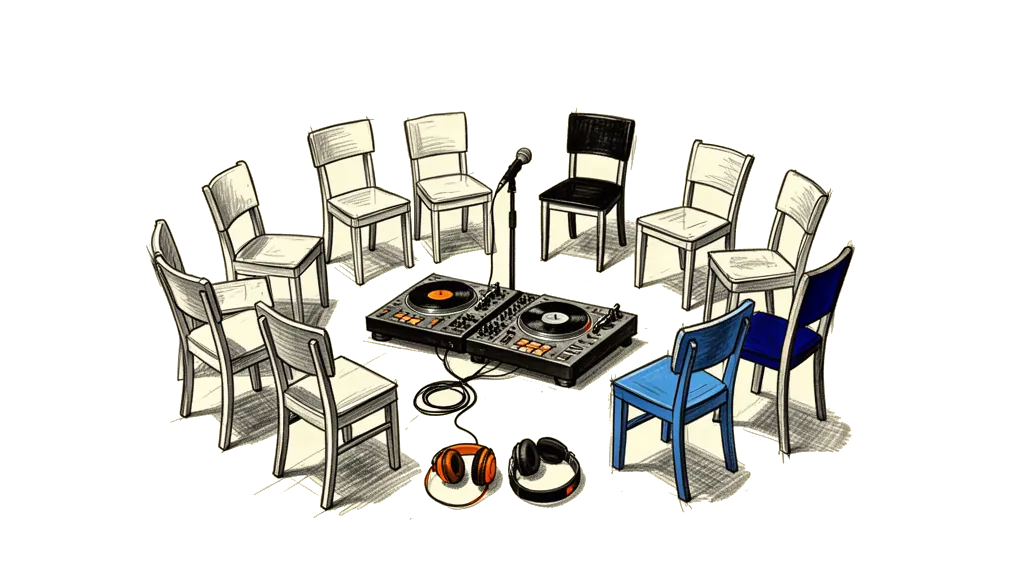
If you are one of these people, we want you in this. Artists and music people, so DJs from Dar and from abroad, MCs, live acts, producers who want to teach or mentor, and label heads and radio people who can make Dar artists heard around the world.
Event producers and operators, so night managers, stage managers, production leads, door teams trained in care and not in scaring people, and community organisers who understand what young people need.
Space makers, so architects who know heat, airflow and how crowds move, acoustic engineers and system techs, lighting designers, builders and fabricators.
And partners and supporters, local cultural institutions, community groups, youth organisations, ethical investors and patrons with patient money and open terms, and brands that can support the culture without controlling it.
The rule is that local leadership is not optional. This has to be built with Dar and not for Dar.
First steps
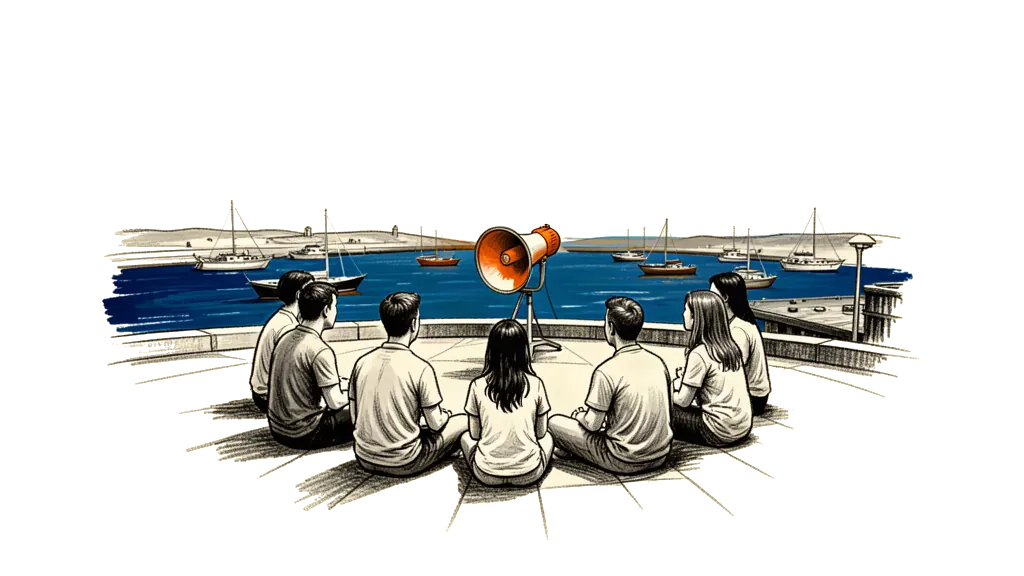
The first steps should be realistic. Phase 0 is listening, in the first 0 to 2 months. Build a local steering circle of artists, producers and community voices, hold listening sessions in Dar about what a safe club would look like here, and map the legal rules and find a local legal and operations advisor.
Phase 1 is pop-ups, from month 2 to 6. Run small, legal pilot events with workshops and nights, test sound, staff and safety rules, and build trust with the audience, neighbours, authorities and partners. Phase 2 is a permanent home, from month 6 to 18.
Find a place with good access and a plan for noise, install the sound properly and don't improvise that part, and open with a resident program and a monthly calendar.
Why it matters
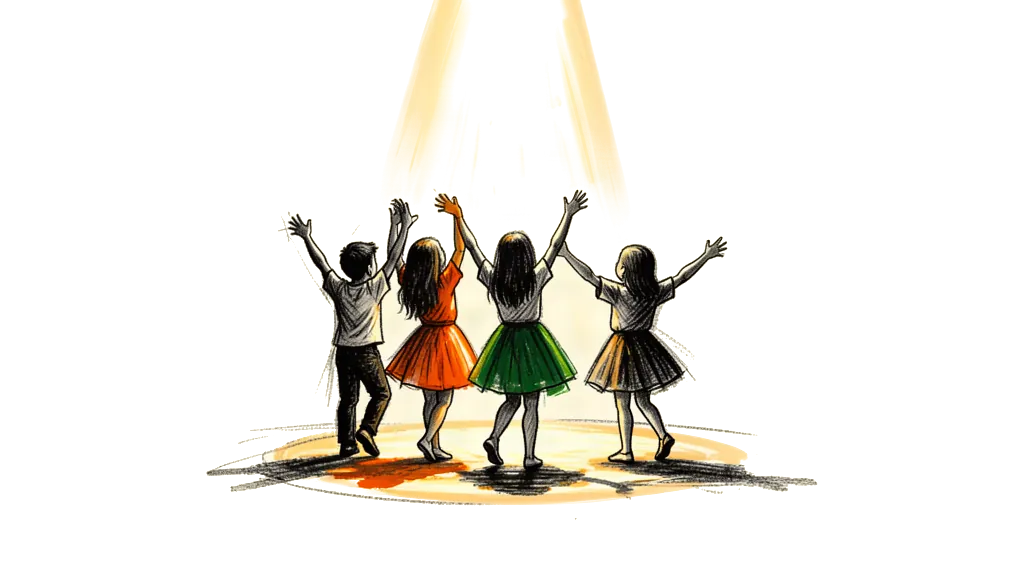
A club can be shallow. But a well run cultural place can be a civic project. It gives young people a safe place to meet, it makes jobs and creative careers, it builds pride and belonging, it turns tension into expression and it turns being alone into community.
Music won't fix everything. But it can change how a city feels at night, and that changes what a city becomes.
If you want to help build this in Dar es Salaam, write to [YOUR EMAIL], find us on Instagram at [YOUR IG] or fill out the interest form at [YOUR FORM LINK]. And if you are in Dar, send a message and we meet in person.
Bring your craft, bring your care and bring your best ideas. Let's build a place where the 18 year olds of today can dance into a better future.
References

These are the references and further reading, and you can copy the links into your own citation style.
- Tanzania National Bureau of Statistics (NBS), 2022 PHC Initial Results (English PDF), https://www.nbs.go.tz/uploads/statistics/documents/sw-1720088450-2022%20PHC%20Initial%20Results%20-%20English.pdf
- NBS, “2022 PHC Dar es Salaam Region Basic Demographic and Socio‑Economic Profile Report” (PDF), https://sensa.nbs.go.tz/publication/Dar.pdf
- National Geographic (2019) on Dar es Salaam growth projections, https://www.nationalgeographic.com/environment/article/tanzanian-city-may-soon-be-one-of-the-worlds-most-populous
- UN‑Habitat case study (Dar es Salaam projections referenced), https://unhabitat.org/sites/default/files/2021/12/blue_economy_case_study_dar_es_salaamfinal-oct21.pdf
- World Economic Forum (2020) “15 fastest‑growing cities in the world” (includes Dar), https://www.weforum.org/stories/2020/02/15-fastest-growing-cities-world-africa-populations-shift/
- “Better Urban Growth in Tanzania” (NCE Working Paper, 2017) (includes Dar projections), https://www.africancentreforcities.net/wp-content/uploads/2018/02/NCE2017-Better-Urban-Growth-Tanzania_final.pdf
- UNESCO (2025) article referencing Singeli national workshop in Dar es Salaam, https://www.unesco.org/en/articles/singeli-world-tanzanias-sonic-beat-turns-volume-intangible-cultural-heritage-national-nomination
- Music In Africa (2023) on Singeli, https://www.musicinafrica.net/magazine/acces-2023-cast-light-tanzanian-genre-singeli
- The Citizen (Tanzania) (2024) on reported BASATA permit regulation changes, https://www.thecitizen.co.tz/tanzania/news/entertainment/basata-s-new-regulations-to-revitalise-tanzania-s-arts-scene-4833694
- Tanzania business licensing overview (official), https://business.go.tz/index.php/business_license
- COSOTA license fees schedule (PDF), https://cosota.go.tz/storage/app/uploads/public/5ea/94a/4e1/5ea94a4e15bc8180052164.pdf
- Intoxicating Liquors Act (CAP. 77) (R.E. 2023) (PDF), https://www.nps.go.tz/uploads/documents/sw-1751353196-THE%20INTOXICATING%20LIQUORS%20ACT.pdf