Computational and Functionalist Views of Mind

TL;DR: Computational and functionalist models say the mind is defined by what it does, not by what it is made of. Each model explains some things and fails at others, and most skip why computation feels like anything. No single model wins. The real signal is where many frameworks agree.
This is a guide across the big models of consciousness. No single model wins. Each one explains some things well and fails at others. The value is in reading across them and seeing where they agree.
Computationalism and its critics
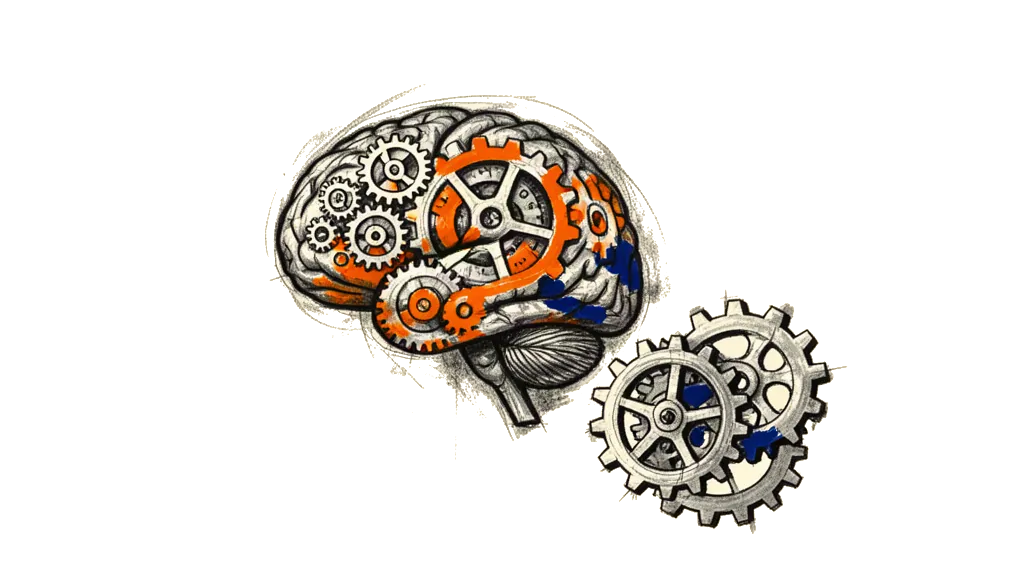
Computationalism says consciousness is computation. Mental states are functional states, and they are defined by what they do and what they cause, not by what they're made of. So if you can copy the computation, you copy the mind.
This is the default idea behind strong AI. But the hard problem is still open. Why does computation feel like anything at all? Computationalism explains what the mind does, but it walks around what it's like to have one.
Hilary Putnam helped start computationalism and then he turned against it. His multiple realizability argument, the idea that minds aren't tied to one kind of hardware, first backed functionalism.
But later he argued that you can map any physical system onto any computation if you pick the right reading of it. That makes computationalism true in a trivial way, and so it says nothing. If everything computes everything, then computation tells you nothing about consciousness in particular.
Blum, Dennett and Minsky
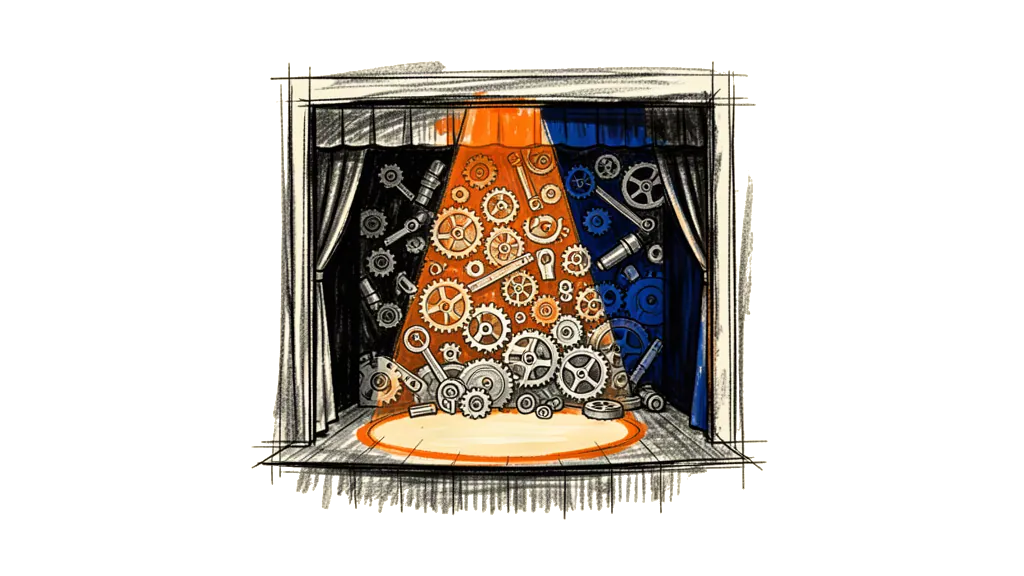
Lenore and Manuel Blum built a computational model of consciousness that comes out of theoretical computer science. It uses a conscious Turing machine (CTM) with a small, finite working memory, and that memory makes the "theater" of awareness.
The key move is that they make the line between conscious and unconscious work formal. It's just the difference between what gets into working memory and what doesn't. It's precise and you can test it, but it still runs into the explanatory gap. Why does this one computation feel like something?
Daniel Dennett's "multiple drafts" model rejects the Cartesian theater. There is no single place in the brain where it all comes together. Consciousness is a story the brain builds after the fact, from a lot of processes that run at the same time and compete.
There is no hard border between conscious and unconscious, just more or less effect on what we do and what we say. Dennett gets rid of the hard problem by calling qualia an illusion. His critics say he explains what consciousness does but explains away the experience.
Marvin Minsky's "Society of Mind" sees consciousness as something that comes out when a lot of simple agents work together, and none of them is conscious on its own. No single part is aware. The awareness comes from the way they work together.
It's a deflationary view. Consciousness isn't one thing, it's a word we use for a bunch of mechanisms. It's good at explaining how varied and modular the mind is, and bad at explaining why experience feels like one thing.
AI and simulation
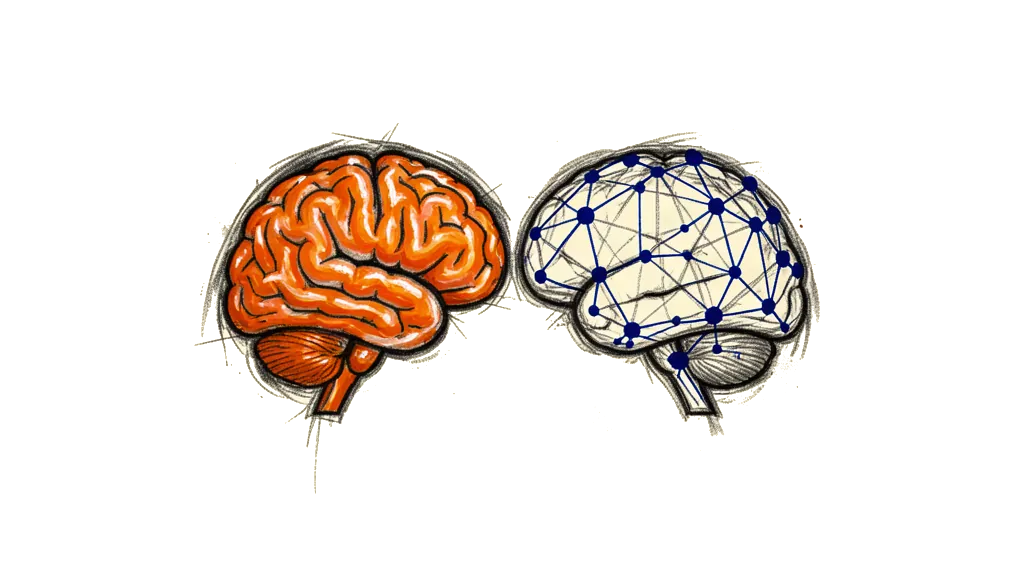
Blaise Aguera y Arcas argues from modern deep learning that large language models show behavior you can't tell apart, in what it does, from parts of consciousness. He doesn't claim LLMs are sentient.
He claims the line we draw between real understanding and mere computation may mean less than we think. It's a pragmatic view, close to behaviorism. The main flaw is that being the same in the output doesn't prove being the same in the experience.
Nick Bostrom's simulation argument is only related from the side. If consciousness is computation, then beings in a detailed enough simulation would be conscious. His trilemma follows from computationalist premises.
Either civilizations die out, or they choose not to run simulations, or we are almost surely in one. It's less a theory of consciousness and more a stress test of what computationalism means if you take it all the way.
Resonance, biology and the medium
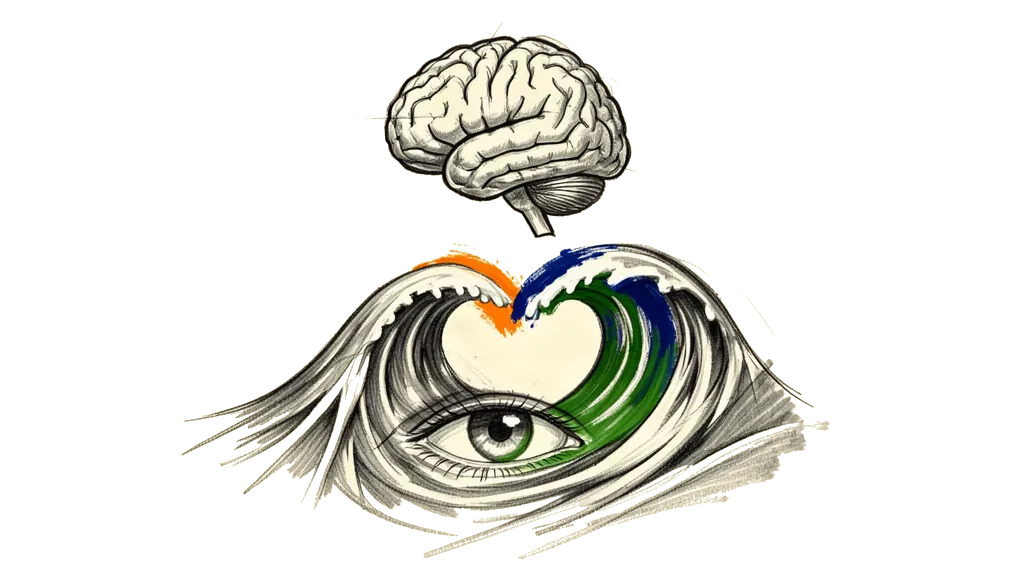
Stephen Grossberg's Adaptive Resonance Theory (ART) sees consciousness as resonant states between signals from the senses coming up and expectations coming down. When they match, a resonant state forms, and that is the neural correlate of awareness. When they don't match, the system resets and learns something new.
ART is one of the few models that ties consciousness to a specific neural mechanism you can prove wrong. The limit is that it's mostly a model of perception. It doesn't fully cover the higher kind of consciousness where you think about your own thoughts.
Biocomputation takes the computational view past neurons. DNA, signals between cells and the immune system all compute. If consciousness is computation, it might not need a brain at all.
That opens the door to plant cognition, bacterial intelligence and other hard questions. It's useful to break neuro-chauvinism, but it risks making the word consciousness mean nothing if every system that handles information counts.
Hackenhoff is a less known name who looks at how living matter computes in a different way than silicon. The point is that the medium matters and not just the algorithm.
This goes against substrate-independence, which is the core idea of classical computationalism, and it lines up with embodied cognition. The argument is that you can't abstract away the wetware without losing something that is key to the experience.
Complexity and criticality
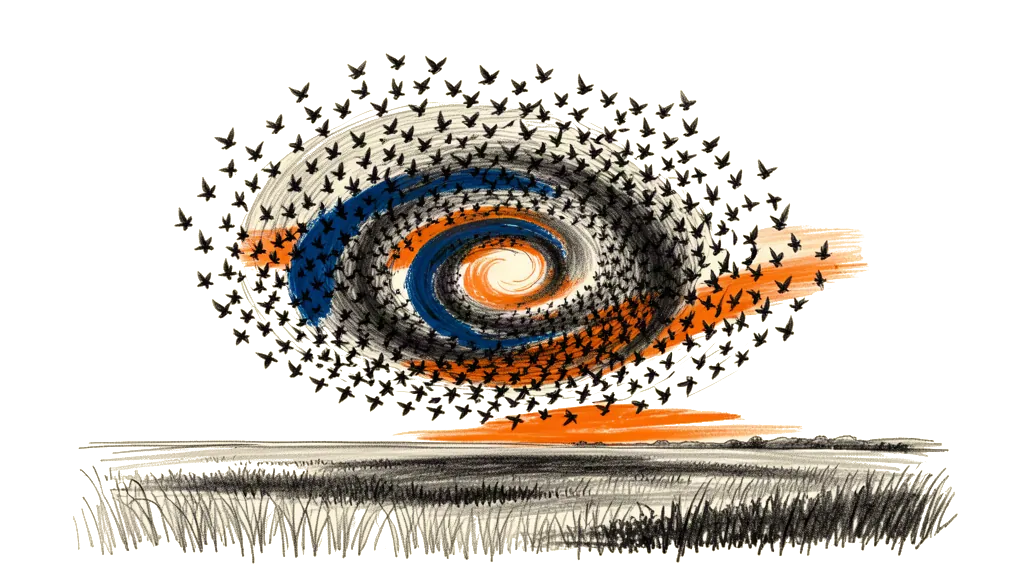
Then there are complex adaptive systems. Here consciousness comes out of systems that organize themselves, are nonlinear and run far from equilibrium. The brain isn't running a program. It's a dynamic system, and its global patterns, so consciousness, can't be reduced to local rules.
The good part is that this explains how fluid awareness is and how much it depends on context. The weak part is that emergence can be a label for what we don't know instead of an explanation.
The critical brain hypothesis says the brain runs close to a critical phase transition, at the edge between order and chaos. At that point information flow, dynamic range and computing power are as high as they get. Consciousness may need this critical state or go along with it.
Power-law distributions in neural avalanches back the idea, and anesthesia seems to push the brain away from criticality. It's a good research program, but it's still about correlation. Criticality might be needed without being enough.
Mikilineni and colleagues look at consciousness through information integration and measures of neural complexity. This work links theory, like IIT, with measurement, and it tries to put a number on levels of consciousness from brain data.
The value is that it turns philosophy into something you can measure. The risk is that the metric catches something that goes along with consciousness and not consciousness itself.
Holograms, quantum and math
Karl Pribram's holonomic brain theory says the brain stores information like a hologram, spread across the whole thing and not in one spot. Interference patterns in dendritic networks carry information, not just action potentials.
That explains some things about memory better than local models, like that it survives damage and works by association. The theory is controversial and mainstream neuroscience mostly put it aside. But the core idea of spread out encoding came back in modern connectionism.
Uziel Awret looks at links between consciousness and quantum information theory, and most of all at whether quantum coherence in living systems does a real job in awareness. That sits where quantum biology and philosophy of mind meet.
It's more careful than casual quantum consciousness claims, but it still faces the decoherence objection. Brain tissue is too warm and wet for quantum effects to last long enough to matter.
Bitar looks at how the structure of information relates to conscious experience, likely building on integrated information theory and what came after it. The focus is on what makes some setups of information conscious and others not, and on moving from complexity as a vague gesture to exact math.
And then there are mathematical models in general, the wider group of formal approaches. Integrated Information Theory (Tononi's Φ), the Bayesian brain and predictive processing (Friston's free energy), and models from category theory.
The promise is to replace philosophy in words with math you can test. The danger is false precision. A clean equation that measures the wrong thing still tells you nothing about consciousness.
Read across them
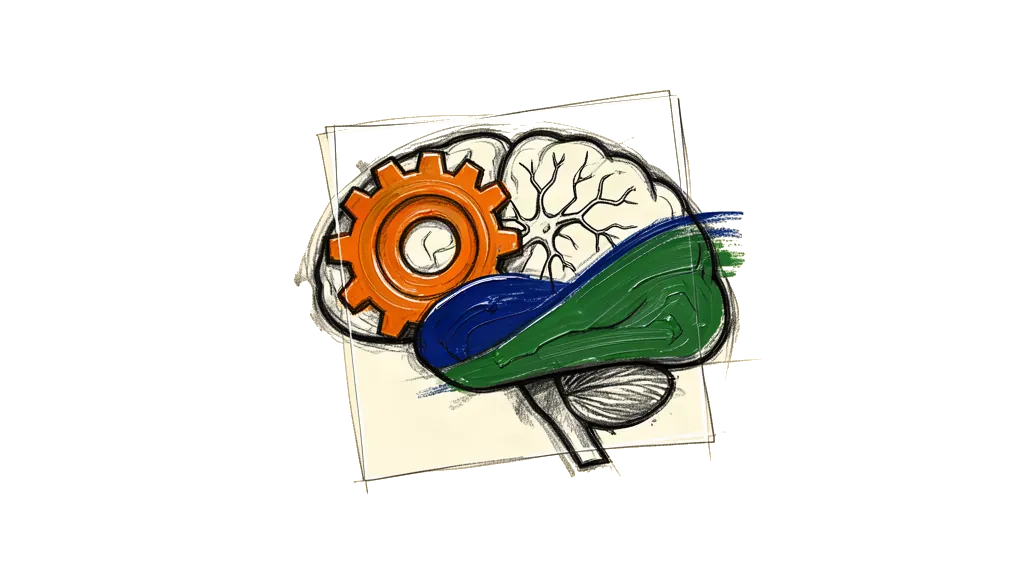
So no single model solves consciousness. The computational models are precise but skip experience. The biological models take the substrate seriously but are hard to put in math. The mathematical models are rigorous but may be measuring stand-ins.
Read across them. The places where a lot of frameworks agree are where the real signal is.